English
 Español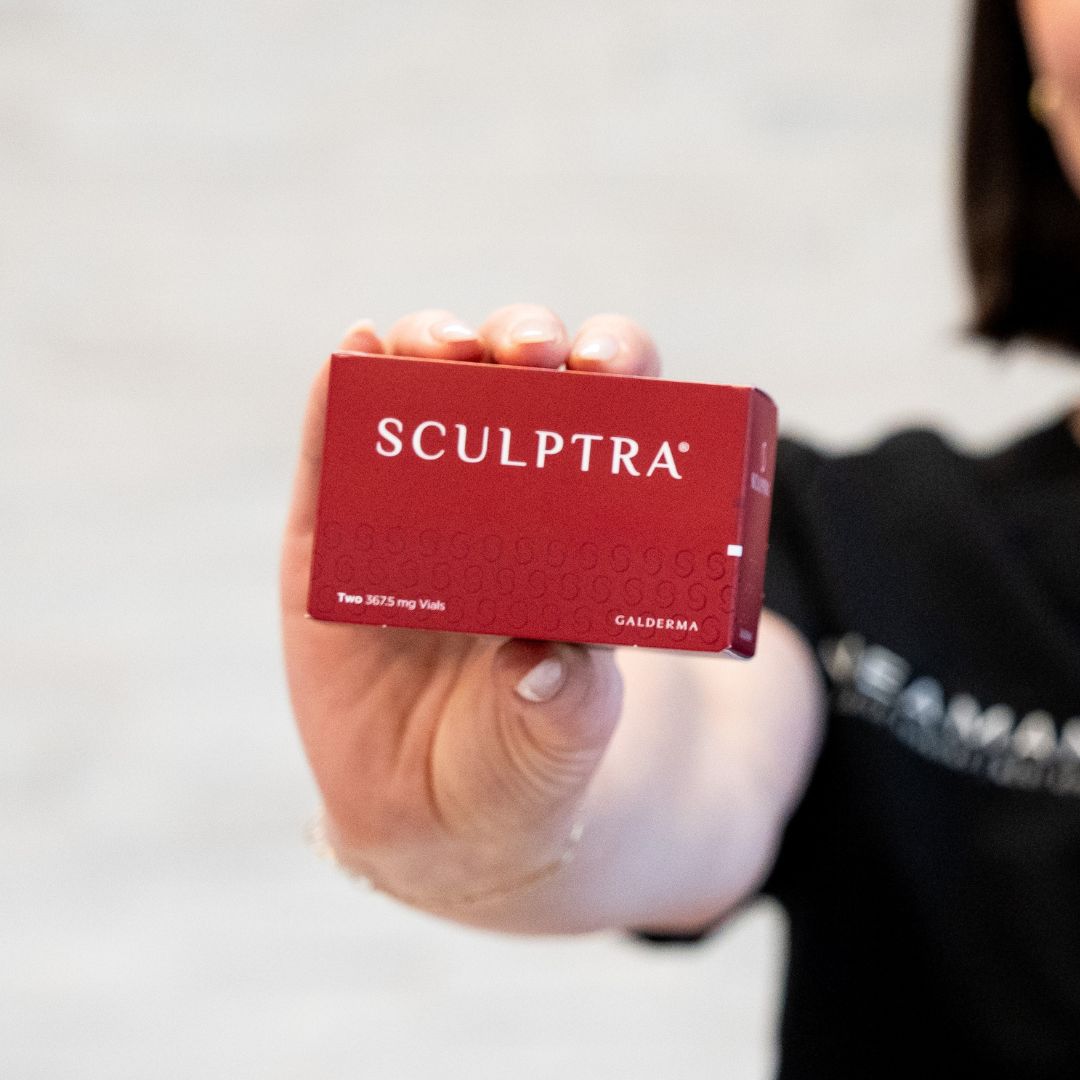
Posted on 01 Oct 2026
Dermal fillers have become one of our most popular non-surgical cosmetic treatments. They can restore lost volume, soften lines and folds, enhance facial features, and create overall balance in your face
What Are Dermal Fillers?
Dermal fillers are injectable treatments that restore volume beneath the skin to soften wrinkles, enhance facial features, and improve your overall facial balance. They’re often used to add fullness to the lips, restore youthful contours to the cheeks, define the chin and jawline, and smooth deeper folds around the mouth.
As we age, we naturally lose collagen, fat, and bone density throughout the face. As a result, it’s common to notice hollow areas, sagging, and changes in your facial proportions. Dermal fillers can help replace some of that lost support to refresh your appearance but still look natural.
There are several types of dermal fillers available, but hyaluronic acid fillers are most commonly used since they’re long-lasting and dissolvable.
How Hyaluronic Acid Fillers Work
Hyaluronic acid naturally occurs in your body, especially in your eyes, joints, and skin. It attracts and retains water, which helps keep your skin hydrated and plump.
When a hyaluronic acid filler is injected beneath the skin, it immediately restores volume and attracts moisture to the treatment area. The filler can be formulated to have different textures and firmness levels, depending on what area of your face is being treated. For example, your injector might recommend a softer filler for lips, but a firmer filler for your cheeks or chin.
Most of the time, hyaluronic acid fillers give you immediate results, but you might notice some swelling the first few days.
Fillers vs. Botox
Dermal fillers and Botox are both injectable cosmetic treatments, but they work in different ways. Dermal fillers add volume beneath the skin to restore contours and soften deeper folds. Botox temporarily relaxes the muscles responsible for dynamic wrinkles like frown lines and crow’s feet.
Since they address different concerns, injectable fillers and Botox are often used together for more complete facial rejuvenation. During your consultation, your injector can recommend whether fillers, Botox, or a combination of the two will give you the most natural-looking results.
Common Treatment Areas
Dermal fillers are extremely versatile, and treating certain areas of your face can improve overall facial harmony. Your injector will recommend the areas that can give you the most balanced results.
Lip Filler
The modern approach to lip filler isn’t just to give you larger lips. These days, lip filler can add subtle volume, improve lip definition, correct asymmetry, or restore fullness that you lost with age.
Embed some before/after photos from this page: https://neamanplasticsurgery.com/gallery/medi-spa/filler/lip-filler/
Cheek Filler
As we age, our cheeks naturally lose volume, and this can make you look tired and give your face a heavier appearance. Cheek filler restores support to the midface, which gives you a subtle lift and improves your facial contours. For a lot of people, restoring volume in the cheeks helps address nasolabial folds without directly treating them.
Embed before/after photos from this page: https://neamanplasticsurgery.com/gallery/medi-spa/filler/?procedure=234&age=&gender=&doctor=&filler_area=Cheeks&search=search
Chin and Jawline Filler
These areas play a major role in facial proportions and profile balance. Jawline and chin filler can strengthen a recessed chin, improve jawline definition, reduce the appearance of jowls, and create a smoother transition between your face and neck.
Under-Eye Filler
Under-eye filler can address hollow tear troughs that give you dark shadows and make you look tired. Since the skin under your eyes is especially thin and the anatomy is complex, not everyone is a good candidate for this area. It also takes a practiced injector to safely treat under the eyes. You may be able to treat your under-eye area with other procedures, such as platelet-rich fibrin.
Nasolabial Folds
Nasolabial folds, more commonly known as smile lines, are the creases that run from the sides of the nose to the corners of the mouth. While you can treat this area directly, you may get more natural results from cheek filler, so your injector may recommend treating your cheeks first, and then consider smile line filler if you want more noticeable results.
Embed before/after photos: https://neamanplasticsurgery.com/gallery/medi-spa/filler/item/patient-19283700/
Marionette Lines
Marionette lines are the lines that go from the corner of your mouth toward your chin. They can make you look sad or very tired. You can treat this area directly with marionette line filler, or restore volume elsewhere in the face to provide better overall support.
Learn how our nurse injectors assess facial balancing to determine which areas they recommend for treatment:
Embed video: Any nurse injector video explaining natural filler or facial balancing
For Natural-Looking Results, Anatomy and Injector Skill Matter
Filler doesn’t need to look fake or overdone. Natural-looking results take thoughtful planning, precise technique, and a deep understanding of facial anatomy.
No two faces age the same way, which is why filler should never be a one-size-fits-all treatment. Bone structure, facial proportions, fat distribution, skin quality, and the location of important blood vessels all influence where injectable fillers should and shouldn’t be placed.
A skilled injector knows how to choose the right filler and place it at the correct depth. They also understand how every part of the face works together. Sometimes, you can treat the chin to create better lip balance, or restore cheek volume to soften your smile lines. This kind of comprehensive approach gives you results that look refreshed instead of obviously treated.
For a more natural outcome, you want a conservative approach. Our injectors understand how to use less filler in the right locations, so you can experience enhanced features without worrying that you don’t look like yourself.
More filler is not always the answer:
Embed video: More filler is not always the answer
What to Expect During Treatment
Your dermal filler treatment begins with a consultation to discuss your concerns, goals, and medical history. Although you may come in with concerns about a specific wrinkle or feature, your injector will evaluate your face as a whole, considering your facial anatomy, proportions, and areas of volume loss to create a treatment plan that’s customized to you.
On the day of your procedure, your skin will be cleansed, and your injector may mark the treatment areas before beginning. Many hyaluronic acid fillers contain lidocaine, a local anesthetic, so you don’t feel much.
Using a small needle or cannula, your injector will carefully place small amounts of filler beneath the skin, adjusting as they go to give you balanced results. You might feel slight pressure or a brief pinch, but there’s usually very little or no discomfort. The entire appointment usually takes 30-60 minutes, depending on what areas are being treated.
What to Expect After Treatment
One of the reasons that facial fillers are so popular is because they require almost no downtime. Most patients attend their appointment, then jump right back into their usual routine. There may be a little bruising or swelling around the injection site, but that will fade within a few days.
You’ll notice the added volume right away, but that’s not how your final results will look. As the initial swelling subsides and the filler settles into place, your results will become more refined.
Depending on your treatment area, your provider may suggest that you come in for a follow-up appointment. This will allow them to evaluate your final results and decide if you need any additional filler.
How Long Do Fillers Last?
The longevity of dermal fillers depends on the type of filler used, the area treated, and your body’s natural metabolism. Areas that move a lot, like your lips, tend to break down more quickly than areas that don’t see as much movement, like your cheeks or jawline.
In general, you can expect:
- Lip filler lasts 6-12 months
- Under-eye filler lasts 9-12 months
- Cheek, chin, and jawline filler last 12-24 months
Filler Aftercare Tips
Following filler aftercare instructions helps minimize swelling and bruising. It also helps give you the best results that last as long as possible. For the first 24-48 hours after treatment:
- Avoid strenuous exercise, excessive heat from saunas or hot tubs, and heavy alcohol consumption.
- Avoid unnecessary pressure or massage on the area.
- Apply a cool compress to help reduce swelling.
- Sleep with your head slightly elevated.
When Fillers Aren’t The Best Option
Dermal fillers can address several cosmetic concerns, but they’re not your only option for a rejuvenated appearance.
If you want to restore volume in specific areas, such as your lips, cheeks, chin, or under-eye area, choose dermal fillers. You’ll see immediate results in the exact areas you want to treat.
If you want to improve your skin quality and gradually restore volume, consider Sculptra. Instead of adding volume directly, Sculptra tells your body to start producing more collagen, so you experience subtle improvements over several months.
Dr. Neaman explains more about the difference between Sculptra and dermal fillers in the video below.
Embed video: https://www.youtube.com/watch?v=lL5Pcb0D3xw
If you want to address loose, sagging skin, you may consider a non-invasive XERF Treatment or a facelift.
Learn about the differences between XERF and a Facelift. (I requested this from Jourdan ✓ Create photography and video content during employee and patient treatments)
If you’re not sure which treatment is best, that’s completely normal. A lot of patients choose to combine multiple treatments. During your consultation, your provider will recommend the approach that will help you achieve balanced, natural-looking results.
Frequently Asked Questions
What are dermal fillers?
Dermal fillers are injectable treatments used to restore lost volume, smooth wrinkles, enhance facial contours, and improve overall facial balance. Most fillers are made with hyaluronic acid, which is a substance your body naturally produces to hydrate and support your skin. Different fillers are designed for different areas of your face, so your injector can customize treatment depending on your goals.
What areas can dermal fillers treat?
Dermal fillers can treat many areas of your face, including the lips, cheeks, chin, jawline, under-eye area, nasolabial folds (smile lines), and marionette lines. They can also help improve facial symmetry and restore volume that’s lost as you age.
How long do fillers last?
The longevity of dermal fillers depends on what product you use, what area is being treated, and your body’s metabolism. Lip fillers usually last 6-12 months, and fillers placed in the cheeks, jawline, or chin can last 12-24 months.
Are dermal fillers the same as Botox?
No. They’re both injectable cosmetic treatments, but they work in different ways. Dermal fillers can restore volume and enhance your facial contours, while Botox relaxes the muscles that cause dynamic wrinkles like forehead lines and crow’s feet. Many of our patients choose to combine Botox and fillers for more balanced, natural-looking results.
Do fillers look natural?
Yes, facial fillers look natural when they’re performed by an experienced injector who doesn’t overdo treatment. The goal of filler isn’t to dramatically change your appearance, but to subtly restore volume and enhance your natural features. It’s important to choose a provider who can help you choose the right products and determine exactly where filler needs to be injected.
Can fillers be dissolved?
Most hyaluronic acid fillers can be dissolved using an enzyme called hyaluronidase. Patients might choose to dissolve their filler if they experience a complication or want to reverse their results. However, not all filler can be dissolved, so if that’s important to you, your injector can walk you through what options are available.
What should I avoid after filler?
For the first 24-48 hours after injection, try to avoid strenuous exercise, excessive heat (like hot tubs or saunas), heavy alcohol consumption, and unnecessary pressure on the treated area. Mild swelling and bruising are common, and they should improve after a few days.
How do I know if I need filler or Sculptra?
The right treatment depends on what’s causing your concerns. Dermal filler can help restore volume in the areas you target, and it gives you immediate results. Sculptra gradually stimulates your body’s natural collagen production to address more widespread volume loss over time. For some people, the best results come from combining both treatments. When you schedule a consultation at Neaman Medi Spa, your injector will talk to you about your goals to recommend an approach that’ll give you natural-looking results.