English
 Español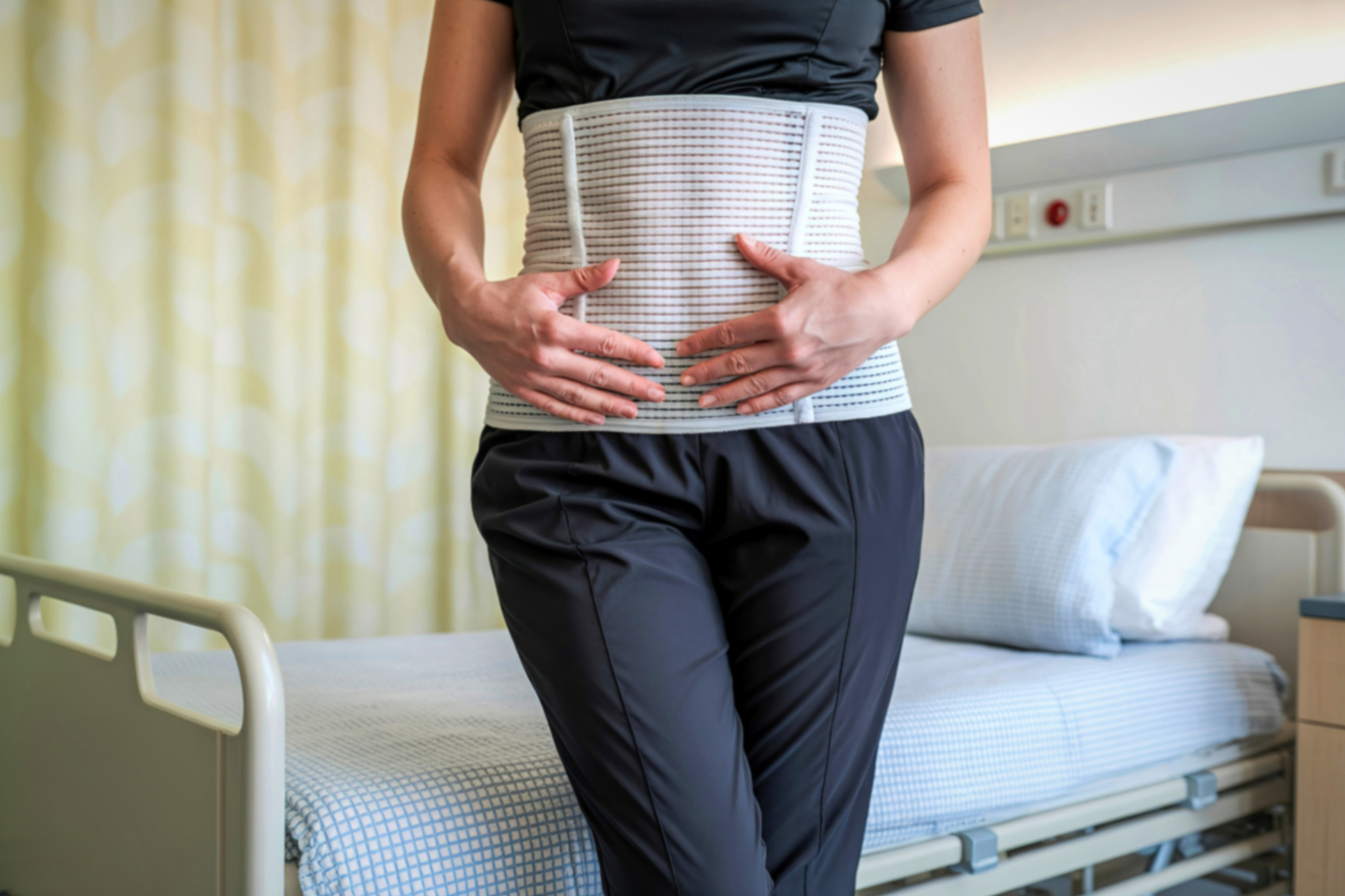
Posted on 25 Nov 2015
Updated on March 25, 2026
When you’re planning for the recovery period after a liposuction procedure, it’s important to have a clear understanding of what to expect. It’s not unusual for surgeons to recommend the use of compression garments following liposuction. At Neaman Plastic Surgery, we know that every patient is unique. For this reason, the use of compression varies from patient to patient, as do the healing timeline and physical side effects of the procedure. Let’s look at what you can typically expect to experience after liposuction.
Week-By-Week Healing Expectations
Every patient heals differently depending on the treatment area, amount of fat removed, and individual health factors. That said, most people follow a fairly predictable healing pattern.
Days 1-3: Immediate Post-Op Phase
Most patients go home the same day as their procedure. It’s important to take slow, gentle walks to promote circulation and decrease the risk of blood clots.
Pain is usually manageable with prescription or over-the-counter medication, and drainage is normal during the first 48 hours.
You may notice:
- Swelling and fluid drainage
- Bruising
- Soreness like you feel after an intense workout
- Mild fatigue
Stay hydrated and consistently wear your compression garments.
Week 1: Early Healing
Liposuction involves a small incision, so many patients are able to return to desk work within a few days to a week, depending on how large the treatment area was. However, you should still rest and allow your body to heal, avoiding strenuous exercise.
At this point, swelling is at its peak, so it’s too early to evaluate your results. You may also notice firmness in the treated areas and continued tenderness.
Compression garments should be worn nearly full-time, unless otherwise directed.
Week 2: Swelling Starts to Improve
Once your surgeon clears you, you can begin light activity. You’ll notice:
- Bruising fading significantly
- No more drainage
- Decreased soreness
- Better mobility
Your treatment area may continue to feel firm or numb. This is completely normal and will improve with time.
As your bruising and swelling fade, you may be able to see early contour changes.
Continue to wear your compression garments and participate in gentle physical activity.
Weeks 3-4: Visible Improvement
About a month after your liposuction procedure, you’ll be almost back to normal. You can exercise, but check with your surgeon about any high-impact workouts.
You’ll see more noticeable results:
- Swelling continues to decrease
- Treatment areas feel less tender
- Contours look smoother
Although your results are looking more obvious, you haven’t reached the final outcome.
Based on your surgeon’s recommendations, you may be able to reduce your compression garment usage.
Weeks 5-6: Significant Refinement
At six weeks:
- The majority of your swelling is resolved
- Bruising is gone
- Contours are more defined
- Your energy is completely back
If your treatment areas included the abdomen or flanks, there may be a little residual swelling.
Compression may be discontinued, depending on your surgeon’s feedback.
3 Months: Your Results Are Clear
This is when most patients can truly appreciate their results.
- Most swelling has resolved
- Your contours look more natural
- Numbness continues to improve
6 Months: Final Results
Six months after your procedure, your swelling is fully resolved. Your scar lines are fading, especially with proper scar care. Your skin has settled into its final contour and your results are considered stable.
The fat cells removed during liposuction are permanently gone. However, remaining fat cells can still expand with weight gain, so it’s important to maintain a stable weight.
Best Practices for Compression Wear
The importance of compression garments depends on a variety of factors. These might include the amount of fat removed and the patient’s baseline skin laxity to name a few. In some cases, not wearing a compression garment or using Spanx may have no significance. In other cases, it might be the difference between an excellent result and an average result. We generally recommend the use of compression support garments for about 3 weeks following surgery.
It’s important to discuss this issue with your surgeon before proceeding with surgery so you will have an understanding of why post-operative compression garments are important for you. In some cases, premature cessation of compression or the use of Spanx might adversely impact the results of liposuction. In the vast majority of cases, it would probably not affect the result but instead, lead to prolonged swelling.
Tips for Swelling, Bruising, and Sleeping
Swelling and bruising are normal parts of the healing process after liposuction, but there are some steps you can take to stay comfortable and experience a smoother recovery.
Managing Swelling
From the timeline above, it should be apparent that swelling can last for weeks or months after liposuction. It’s often worse in the evening or after activity.
- Wear your compression garment consistently. This is the most important way to control swelling and ensure you have smoother contours.
- Stay hydrated. Drink lots of water to help your body flush excess fluid.
- Limit your sodium intake. High-salt foods can make your body retain more fluid.
- Take short, gentle walks. Daily movement improves your circulation and reduces fluid buildup.
Above all, be patient. Swelling can make you look puffy and cause you to doubt your results, but it’s temporary.
Reducing Bruising
Bruising is also common and usually fades within 2-3 weeks. Your bruises will change from purple to blue to yellow as they heal.
- Elevate treated areas when possible.
- Talk to your doctor about any blood-thinning medications you’re on.
- Ask your surgeon about supplements that can reduce bruising.
Sleeping Comfortably After Liposuction
Getting good sleep can be challenging for about a week after your procedure, especially if your abdomen, flanks, or thighs were treated.
- Sleep on your back with your upper body slightly elevated using pillows (or a wedge pillow if your abdomen was treated).
- Sleep with pillows under your knees to reduce tension on your lower back.
- Avoid putting pressure directly on treated areas.
- If your back was treated, your surgeon may recommend side-lying positions.
Sleep with as many pillows as you need to stay comfortable– some patients like to make a ‘pillow nest’ for all the support they need. You’ll need to sleep in your compression garment for the first few weeks unless your surgeon says otherwise.
Final Thoughts
Liposuction recovery takes time. While early swelling can mask your results, you’ll be able to see the final effect within a few months. Follow post-op instructions, wear compression, and attend all of your follow-up appoointsments to ensure you see the best outcome.
Contact Oregon Plastic Surgeon Dr. Keith Neaman today to learn if you are a candidate for liposuction – schedule your consultation by calling 503-364-5033. To view pricing, please visit our financing and pricing page.
Frequently Asked Questions
How long does liposuction recovery take?
Initial liposuction recovery takes about 1-2 weeks, when most swelling, bruising, and soreness begin to improve. Most patients return to desk work within a week, but swelling can last several weeks. Your final results are fully visible 3-6 months after surgery.
What happens if I don’t wear compression?
Compression garments are a critical part of successful liposuction recovery. They help reduce swelling, improve contour smoothness, and minimize fluid buildup. If you don’t wear compression, you’re more likely to experience prolonged swelling, more discomfort, or uneven contour.
When can I exercise after lipo?
Light movement is encouraged within the first 24-48 hours after your procedure. Most people can resume light exercise after 2-3 weeks, depending on the treatment area. You can go back to more intense workouts and heavy lifting after 4-6 weeks, once your surgeon clears you.
The importance of compression garments depends on a variety of factors. These might include the amount of fat removed and the patient’s baseline skin laxity to name a few. In some cases, not wearing a compression garment or using Spanx may have no significance. In other cases, it might be the difference between an excellent result and an average result. We generally recommend the use of compression support garments for about 3 weeks following surgery.
It’s important to discuss this issue with your surgeon before proceeding with surgery so you will have an understanding of why post-operative compression garments are important for you. In some cases, premature cessation of compression or the use of Spanx might adversely impact the results of liposuction. In the vast majority of cases, it would probably not affect the result but instead, lead to prolonged swelling.
Contact Oregon Plastic Surgeon Dr. Keith Neaman today to learn if you are a candidate for liposuction – schedule your consultation by calling 503-364-5033.

Dr. Keith Neaman
Dr. Neaman is a board-certified plastic surgeon that specializes in surgical body contouring. He prides himself on being on the cutting edge of plastic surgery. He takes an informative approach to each consultation, and through open dialogue and communication, he helps his patients decide on a treatment plan that meets their needs.