English
  Español
Liposuction Recovery Guide: What to Expect and How to Heal With Confidence
Table of Contents
What is Liposuction?
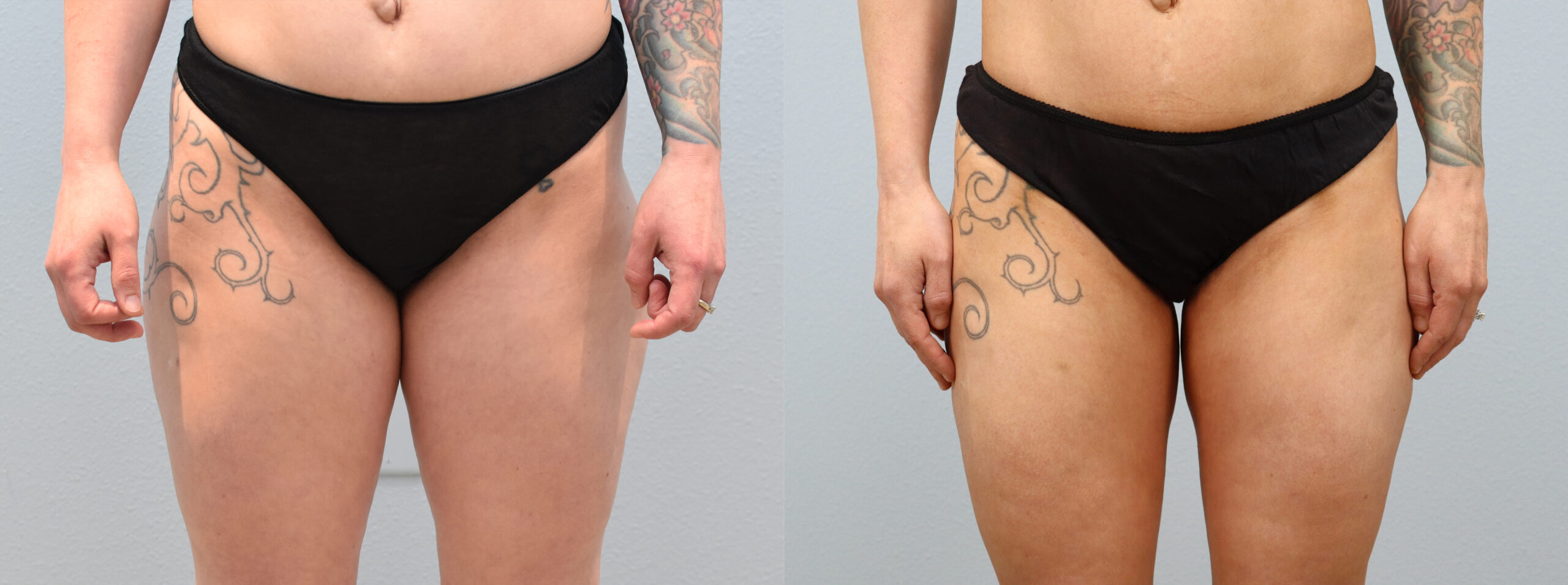
Liposuction is a popular cosmetic procedure that can help remove excess fat deposits and improve body contours. While the results can be transformative, it’s essential to understand the recovery process to ensure a smooth and successful outcome. Let’s discuss what to expect during liposuction recovery so that you can feel fully prepared for your procedure.
Healing Timeline After Liposuction
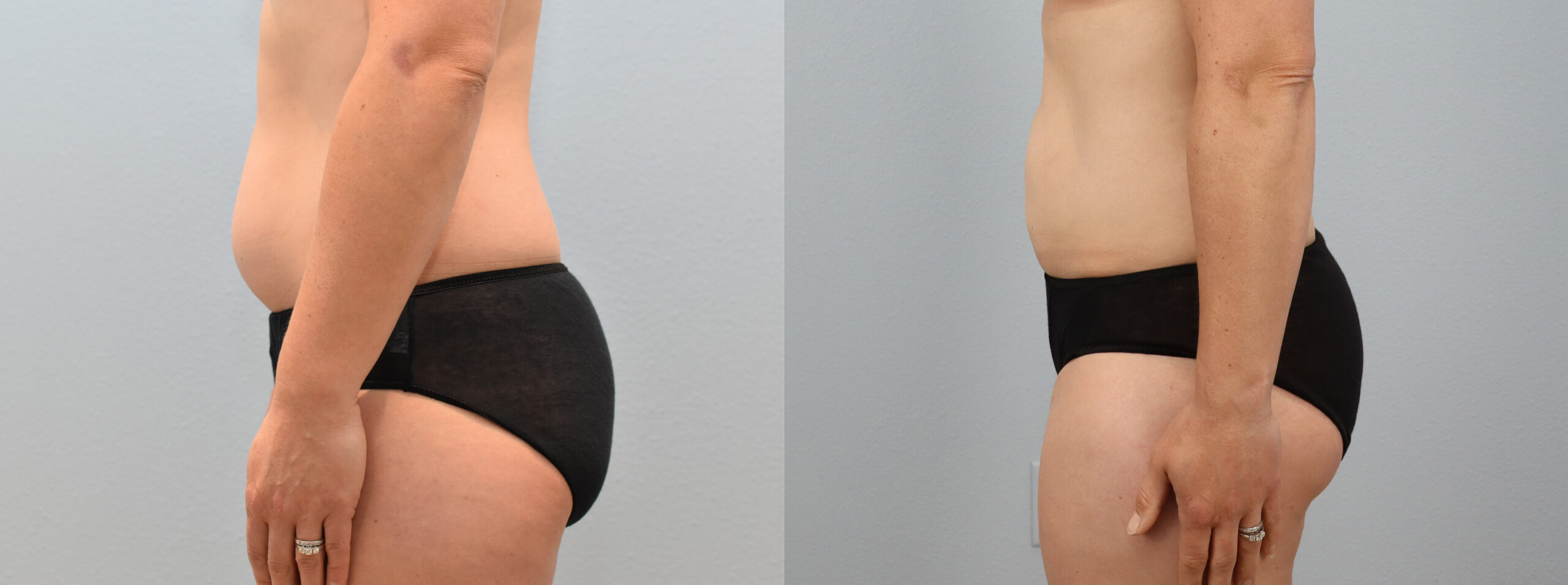
This is a general recovery timeline. Every individual heals at their own pace, but most follow a similar pattern.Week 1: The Immediate Healing Phase
- Swelling and Bruising Peak: Expect noticeable swelling and bruising during the first few days after your procedure. It’s normal for the area to feel tender and sore.
- Expect Drainage. You’ll likely have drainage around the incision sites for the first 48 hours.
- Compression is Key. Wear your compression garment as directed. It’s the key to controlling swelling and seeing the contours you want.
- Light Activity Encouraged. Take short walks throughout the day to promote circulation and reduce your risk of blood clots.
Rest and Hydration. Your body needs fuel to heal. Drink lots of water, and consume enough protein.
“During the first 72 hours, the body is working hard to manage inflammation. Compression and gentle movement are some of the most important tools in this phase.” –Dr. Neaman
Week 2: Early Improvement
- Swelling Beings to Subside. Your bruising should start fading. Swelling will soften as well.
- Energy Levels Return. Most patients feel more comfortable and confident moving around.
- Gentle Mobility. Keep taking light walks and avoid intense workouts or heavy lifting.
By the end of week 2, you’ll feel a big improvement compared to the first few days.
Weeks 3-4: Progressing Comfortably
- Significant Swelling Reduction. This is when most people notice major improvements in their swelling and bruising.
- Compression May Be Reduced. Based on your surgeon’s guidance, you may decrease how often you wear your compression garments.
- Return to Light Exercise. If your surgeon clears you, you can begin gentle workouts. Don’t try any heavy lifting or high-impact movement yet.
Your contours will start looking more refined, but you haven’t reached your final results.
Weeks 5-6+: Refinement Phase
- Most Swelling is Resolved. The majority of your swelling has faded, and your shape becomes more defined.
- Increased Activity. You should be able to return to full activity and normal workouts once your surgeon clears you.
- Final Results Appear. You’ll continue to experience changes, but you’re close to your final results.
Your final outcome is usually visible between 3-6 months after surgery.
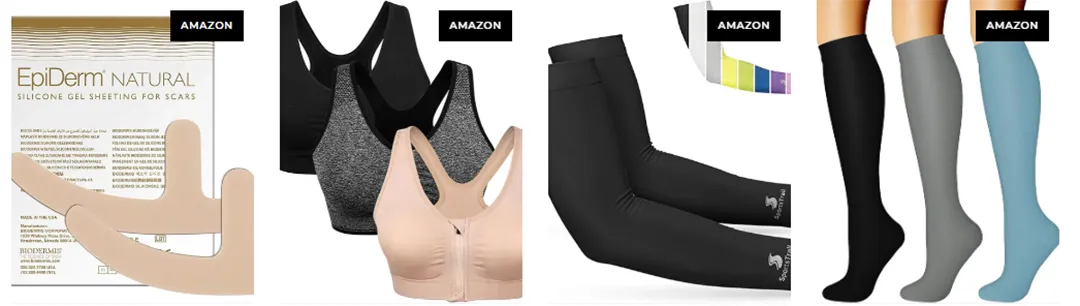
Compression garments are a cornerstone of liposuction recovery.
Why Compression Matters
Compression garments:
- Reduce swelling
- Supports skin retraction
- Helps smooth contour irregularities
- Improves comfort
Your surgeon will give exact instructions on how long to wear your garments. Most patients begin with full-time compression during the first 1-2 weeks and then gradually taper.
Wound Care Tips
Liposuction incision sites are small, and following proper wound care protocol can help wounds heal so that they’re barely noticeable.
- Keep your incision sites clean and dry.
- Follow your surgeon’s guideline for bathing.
- Avoid lotions or creams near the incision sites until fully healed.
- Monitor for signs of irritation or infection.
Recovery Tips to Keep in Mind
Bruising Management
Bruising and swelling are common after liposuction and can take several weeks to resolve completely. You’ll see your bruises fade from purple to green to yellow as they heal.
To minimize bruising and help them heal faster:
- Continue wearing your compression garments
- Elevate your legs whenever possible
- Take gentle walks to boost your circulation
Our surgical team provides personalized post-operative instructions to ensure optimal healing and reduced bruising and swelling for their patients. They also monitor patients closely during follow-up visits to track their progress and address concerns.
Fluid Drainage
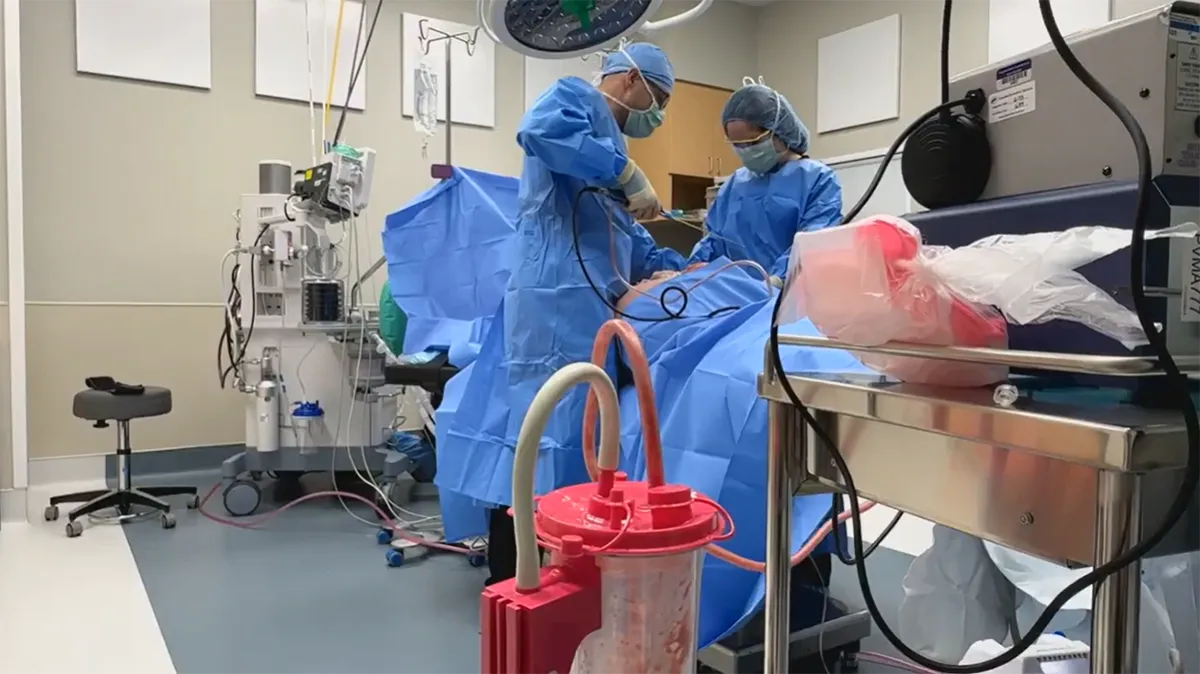
Patients may experience fluid drainage from the incision sites during the initial stages of liposuction recovery. It is a normal part of healing as the body eliminates excess fluid and blood. Plastic surgeons typically provide detailed instructions on managing this drainage, including changing dressings, using absorbent pads, and maintaining good hygiene. Drains might also be placed and will be removed by your surgeon a few days after the procedure.
Numbness and Sensitivity
It’s common to experience numbness and temporary loss of sensation in the treated areas after liposuction. The nerves in the targeted areas may be affected during the procedure, resulting in altered sensation. However, this is typically temporary and gradually improves over time. It’s best to be patient and allow your body to heal naturally but if you have any concerns, please do not hesitate to call our office.
Discomfort Control
After liposuction, it’s common to experience pain and discomfort, which can vary depending on the extent of the procedure and individual pain tolerance. According to experts, patients may experience mild to moderate pain, which can be managed with prescribed pain medication. Our board-certified plastic surgeons, Dr. Keith Neaman and Dr. Christiansen emphasize the importance of following post-operative care instructions to minimize discomfort and promote healing.
You should be able to manage your discomfort with prescribed or over-the-counter pain medication. Use a warm compress after the first 48 hours to help ease stiffness.
You may need to use stool softeners for the first week, depending on your treatment areas.
For the first few days, you may benefit from some physical support from tools, a walking stick can help you stand and sit, and a grabber tool can help you retrieve items from the ground.
Nutrition for Healing
Diet plays a powerful role in recovery– your body needs the right nutrients to heal efficiently.
Focus on:
- Lean protein (chicken, turkey breast, tuna, eggs, greek yogurt)
- Vitamin A (sweet potatoes, carrots, pumpkin, eggs)
- Vitamin C (red and green peppers, broccoli, citrus, strawberries)
- Anti-inflammatory foods (leafy greens, blueberries, nuts, salmon, oats)
Stay hydrated by drinking plenty of water as well.
Lymphatic Massage & Other Supportive Treatments
Lymphatic massage may be recommended to help reduce swelling, improve fluid flow, and assist in contour refinement. You can perform manual lymphatic massage at home.
Neaman Plastic Surgery offers a nutrition/wellness package designed to optimize the body’s healing process. It includes:
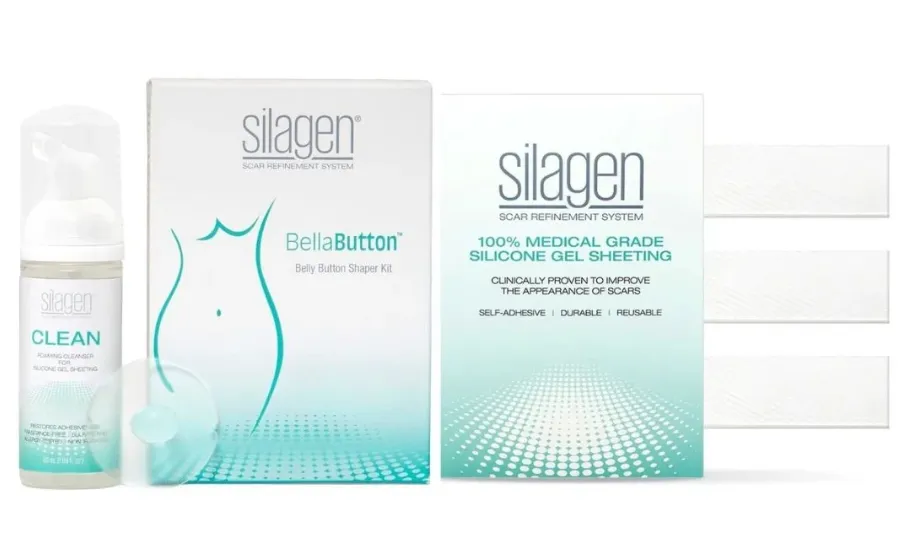
- Silagen Rapid Recovery Kit
- Peptide Therapy (pre- and post-op injections)
- IV Infusion Therapy (pre- and post-op sessions)
This package works together to reduce the downtime you experience after the procedure and improve your comfort
Sleep
Use pillows to slightly elevate your upper body, and sleep with a pillow under your knees to reduce tension on your lower back. However, if your back was treated, your surgeon may recommend side-lying positions.
The goal is to avoid putting direct pressure on any areas that were treated. Some of our patients make a ‘pillow nest’ to keep themselves comfortable.
For the first few weeks, you’ll need to sleep in your compression garments.
Scar Management
Scar lines fade over time. With proper care, your incision sites will be difficult for even you to find.
- Use silicone gel or sheets once your incision site is healed enough and you’ve been cleared.
- Use sun protection.
- Gently massage around the scar areas once healed.
When to Call Your Provider
Liposuction recovery is typically straightforward, but you should call our office if you notice:
- Sudden increased swelling on one side
- Fever or chills
- Severe redness or warmth
- Drainage with odor
- Pain that isn’t relieved with medication
Your safety and comfort are always our priority.
“Healing isn’t linear, it’s a wave. We’re here to support you through every high and low.” Dr. Neaman
Final Thoughts
The healing timeline after liposuction is a process that takes several months. Swelling, tenderness, and contour changes are a normal part of recovery. Using proper compression, nutrition, rest, and care will help you see the most optimal results.
You’re not alone. Our surgeons and care team are here every step of the way.
Ready to take the next step? Book a confidential liposuction consultation with our experienced surgical team to discuss your goals and create a personalized recovery plan.
How long does it take to recover from a tummy tuck?
Initial recovery typically takes several weeks. Many patients feel comfortable resuming light activities within 2–3 weeks, but full healing and final results continue to develop over several months. Recovery time varies based on the procedure and individual healing.
When can I return to work after a tummy tuck?
Patients with non-physical jobs may return to work in about 1–2 weeks, once they are off prescription pain medication and able to move comfortably. Physically demanding jobs usually require a longer recovery period.
How long will swelling last after a tummy tuck?
Swelling is expected after surgery and gradually improves over time. While much of it resolves within the first few weeks, mild swelling can persist for several months as healing continues.
When can I exercise again after a tummy tuck?
Walking is encouraged early, but strenuous exercise and abdominal workouts should wait until your surgeon provides clearance, often around 6 weeks or later. Gradual progression helps protect healing tissues.
Are tummy tuck results permanent?
Results are long-lasting with a stable weight and healthy lifestyle. Significant weight changes or future pregnancies can affect your outcome.