English
  Español
Table of Contents
What Is a Tummy Tuck?
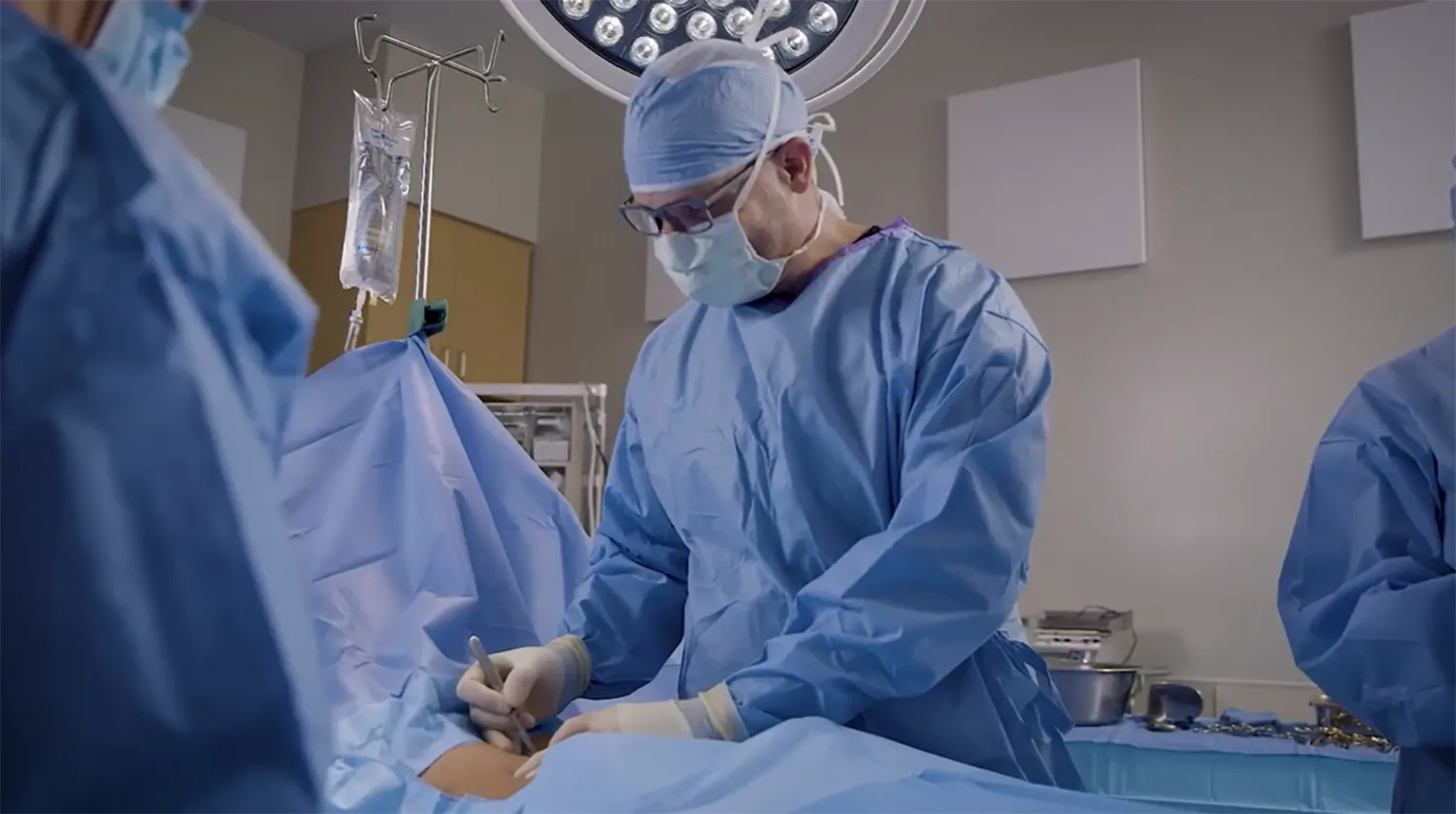
A tummy tuck, also called abdominoplasty, is a surgical body-contouring procedure designed to improve the shape and firmness of the abdomen. It helps address loose skin, stubborn fat, and weakened or separated abdominal muscles, which are common concerns after pregnancy, significant weight loss, or aging.

What Happens During a Tummy Tuck?
During a tummy tuck:
Excess skin and fat are removed from the lower and middle abdomen.
The abdominal muscles are tightened to restore a flatter, firmer midsection.
The remaining skin is pulled down and resecured to create smoother contours.
Types of Tummy Tuck Procedures
There are several variations of the procedure:
Full tummy tuck: A longer incision is made across your lower abdomen, with full contouring above and below the belly button.
Mini tummy tuck: A smaller incision is made, and contouring mainly happens below the belly button. It’s ideal for patients who have less excess skin.
Extended tummy tuck: This surgery involves more extensive contouring and addresses additional areas, including the hips and flanks. It’s often used after major weight loss.
Who Is a Good Candidate?
A tummy tuck isn’t a substitute for weight loss. However, it can have a profound impact on your body shape once you’re close to your target weight.
An ideal candidate:
Is in good overall health
Is near their target weight
Has maintained their target weight for at least 4-6 months
Has loose skin or weakened abdominal muscles
Doesn’t smoke
Doesn’t plan on future pregnancies
Has realistic expectations about the surgery
Can commit to following the recovery plan for optimal results
Tummy Tuck Recovery: What To Expect
Before Surgery: Preparing for Recovery
Prepare your home to improve your comfort during recovery.
Arrange for help at home for the first 1-2 weeks after surgery (laundry, childcare, cleaning, etc).
Plan meals ahead of time– schedule delivery or freeze meals you can warm for the first week.
Prepare a recovery space with several pillows, and have a table or cart nearby to keep water, snacks, and medication within reach.
Read over your surgeon’s post-op instructions and follow up on any directions you don’t fully understand.
Avoid smoking and alcohol, because they can delay healing and increase complications.

Discomfort
Swelling, tightness, and discomfort are most noticeable during this period, especially in the first few days. You may feel sore, tight, and weak when moving. Take your pain medication on a schedule, not waiting until pain becomes overwhelming.
Most patients choose to have a pain pump inserted at the end of their tummy tuck procedure. This pump dispenses local anesthetic to the incision site and provides pain relief.
Drains
During your tummy tuck procedure, a drain is inserted to collect fluid during the first week of recovery. The drain bulb should be emptied when full, and the amount of fluid should be recorded each time you empty it. This process is repeated until the drain is removed in your surgeon’s office. The pain pump is often removed at the same time as the drains.
Bed Rest / Movement
Rest with your upper body slightly elevated and multiple pillows under your slightly bent knees. Avoid walking around unless you need to go somewhere, like going to the bathroom or getting food from the kitchen. You’ll need to walk slightly bent forward to avoid straining your incision site.
Compression Garment
Wear your compression garments as directed. We ask patients to wear the garment 24/7 during the first 5 days of recovery.
Check out our full list of post-surgical care items to make your recovery comfortable

Hygiene
Go to the bathroom as often as necessary, but always go with someone who can provide support– you will need the help.
During the first 5 days, do not take a shower. You can sponge bathe your extremities, but do not remove your compression garment and do not get it wet.
Diet
Drink a lot of fluid, especially in the first 72 hours following surgery– stick to water, juices, or Gatorade. You can resume a normal diet– try to stick to nutrient-rich food with lots of protein.
First Post Op Office Visit
At Neaman Plastic Surgery, we usually see tummy tuck patients in the office on day 5.
During this initial post-op visit, we’ll remove your compression garment and replace it with a new, clean garment. We’ll also discuss your recovery plan for the following week. You can bathe after this visit, but make sure to put your compression garment back on as soon as you’re dry.

Week 2: Early Improvement
By the second week, you’ll notice gradual improvements in comfort and mobility. You may still see swelling, but it should feel more manageable. During week 2, we recommend you start tapering your pain medication; at this point your pain should be decreasing, and you need to be able to listen to your body to ensure you’re not overdoing it.
We recommend taking at least 3 short walks each day, but it’s still important to avoid lifting and strenuous movement.
When you walk, remain slightly bent.
Continue to consistently wear your compression garments.
Continue to keep the head of your bed elevated and your knees bent.
You can shower or bathe now, but only use cool water. The combination of removing your compression garment + using warm or hot water can cause your blood vessels to relax and make you lose consciousness.
Week 3: Increased Mobility
As you move further into recovery, your body continues to heal internally, even if you’re feeling much better on the outside. While it’s tempting to increase activity levels, this phase still requires caution.
At this stage, many patients:
Experience a noticeable reduction in swelling.
Feel more comfortable moving and standing fully upright.
Resume more normal daily routines.
Feel encouraged by early contour improvements.
You no longer need to wear your compression garment 24/7, but you should wear it at least half the time. Most of our patients wear it consistently for an entire month.
Week 4: Resuming Light Activity
At this point, you should feel comfortable leaving your home, but limit how much walking and prolonged activity you do.
If you work a desk job, you will likely feel ready to go back to work.
Start trying to gently stretch.
Don’t lift anything over 5 pounds.
Don’t wear any tight garments other than your compression garment.
Limit or avoid driving.
You may notice some hard tissue along your wound. This is called a healing ridge– it’s the collagen your body will use to knit the wound together, and it will subside and disappear over the next few weeks.
Weeks 5-6: Transition Back to Normal Activity
By week 5, many patients feel more like themselves. Swelling continues to improve, and the abdomen begins to feel stronger and more stable.
By now, you can expect to:
Resume light exercise with your surgeon’s approval.
Feel more confident in clothing.
Notice your abdomen softening and flattening.
During this phase, scar care becomes more of a focus. Your surgeon will recommend specific treatments or techniques to support healing.
Month 3 and Beyond: Long-Term Healing
Even though you may feel fully recovered by month 3, your body is still healing for several months after surgery.
Long-term recovery includes:
Ongoing improvement in scar appearance.
Continued reduction of residual swelling.
Final contour results become more apparent.
Maintaining a stable weight, healthy lifestyle, and following long-term care instructions can help protect your results for years to come.
A Note on Individual Recovery
No two recoveries are exactly alike. Factors such as the extent of surgery, overall health, and adherence to post-operative instructions all play a role. Always follow your surgeon’s personalized guidance and reach out to their office with any concerns during recovery.
Tips to Speed Up Recovery and Improve Results
Ask for as Much Support as Possible
For the first week, you’ll be able to do little besides rest. Have someone trusted to help you with personal hygiene, and outsource all household tasks as much as you can. Patients with small children will need help with childcare.
While you’re on narcotic pain medication, you’ll be unable to drive, and we recommend that you don’t drive for the first month or so to avoid any complications.
Wear Your Compression Garment as Directed
Compression garments help reduce swelling, support your healing tissue, and promote smoother contours in your abdomen. Wearing your garment consistently and correctly can make a difference in your comfort during recovery and in your long-term results.
Balance Rest and Gentle Movement
Adequate rest is critical for healing, but complete inactivity can slow recovery. Taking short, frequent walks will improve circulation, reduce stiffness, lower the risk of complications, and equip you to transition back into your daily routine.
Eat a Nutrient-Rich Diet
Your body needs nutrients to help heal. Skip the junk food, and focus on meals that include:
Lean protein to support tissue repair
Fruits and vegetables for vitamins and antioxidants
Whole grains for steady energy
Adequate fluids (water, juice, sports drinks) to stay well hydrated
Be Patient With the Healing Process
It can take a few months to feel normal again and resume your typical schedule and activity levels. Give your body the time it needs to heal and avoid any complications.
Anticipate Emotional Swings
A tummy tuck is a life-changing experience for most patients, giving them the boost in self-esteem they’ve been searching for. However, most patients spend a lot of time preparing for the physical recovery and don’t anticipate the emotional impact.
Tummy tuck patients sometimes experience mood swings, which can go from depression (at the timing of recovery) to elation (at the changes in their appearance). Knowing this may happen makes it less overwhelming when your emotions start jumping all over the place.
When to Call the Doctor
Tummy tuck recovery usually goes smoothly, but it’s important to know when to contact your surgeon.
Your care team wants to hear from you if something doesn’t feel right. Call us if you experience:
Increasing pain that does not improve with prescribed medication or worsens over time
Excessive swelling, sudden firmness, or swelling that increases significantly on one side
Signs of infection, including redness, warmth, pus, foul-smelling drainage, or a fever over 101°F
Changes in incision appearance, such as openings, unusual bleeding, or delayed healing
Drain concerns, including sudden changes in output, color, or if a drain becomes dislodged
If you notice shortness of breath, chest pain, or leg swelling, get immediate medical attention.
Not sure if a symptom is normal? You’re never bothering us– reach out so we can offer guidance.
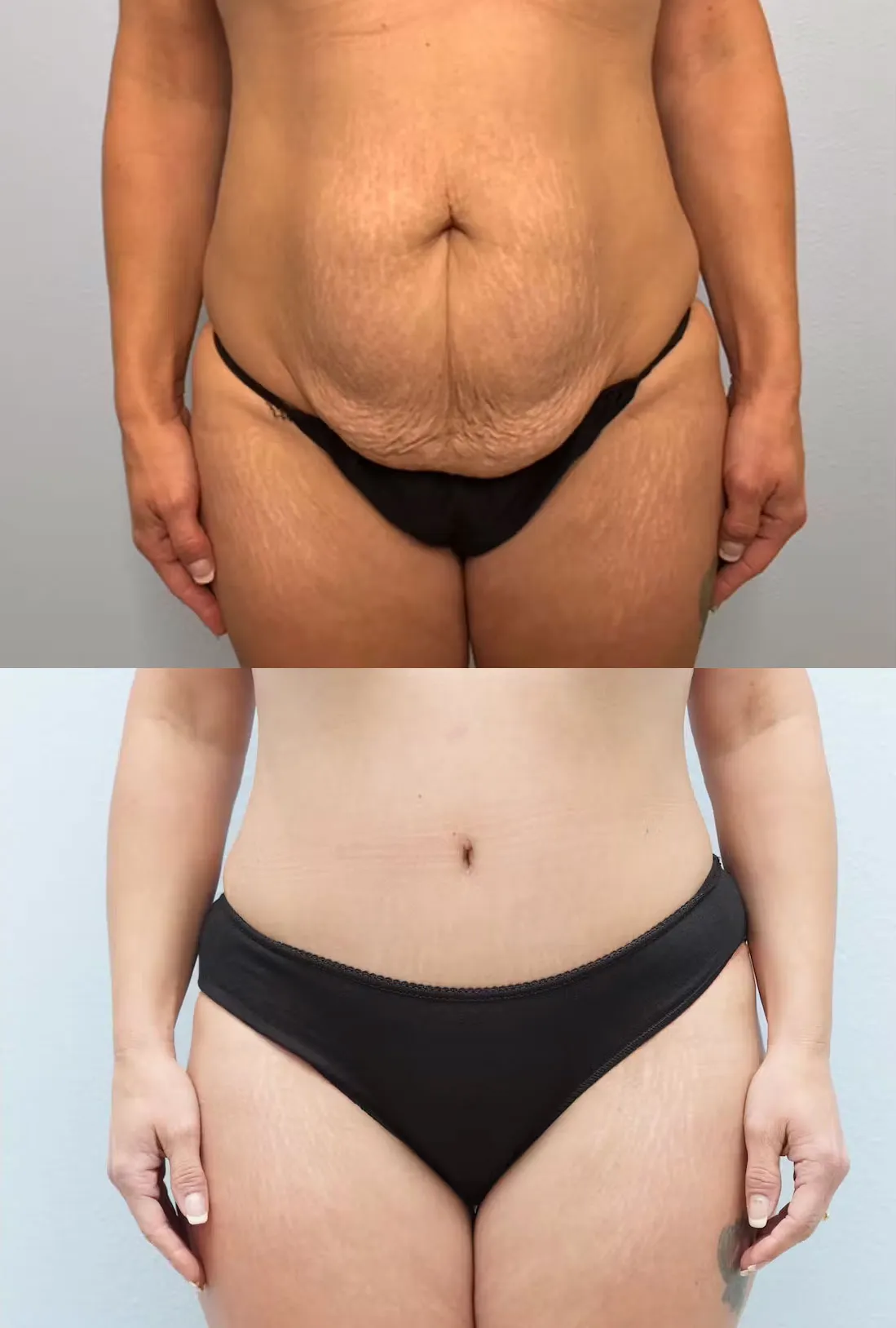
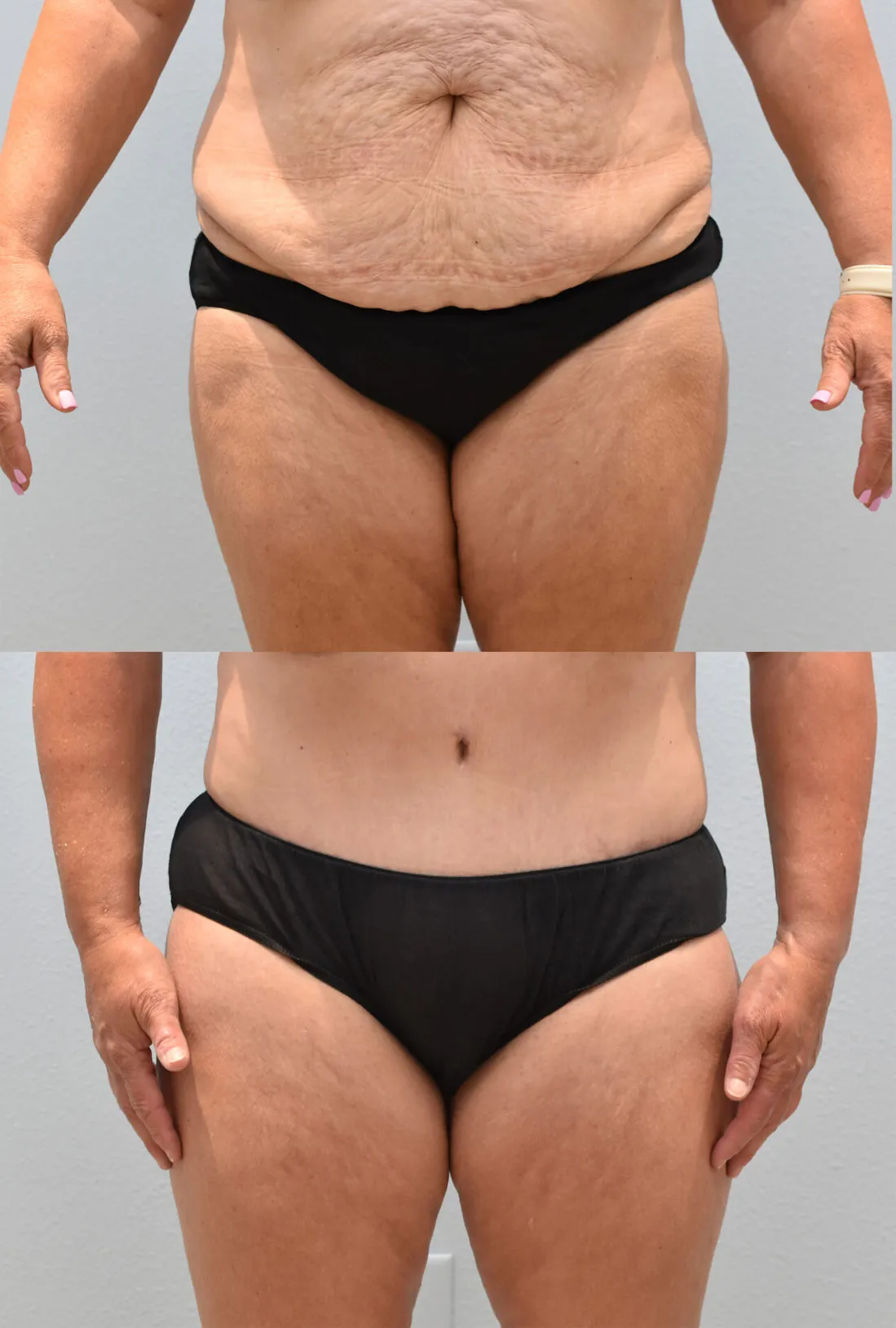
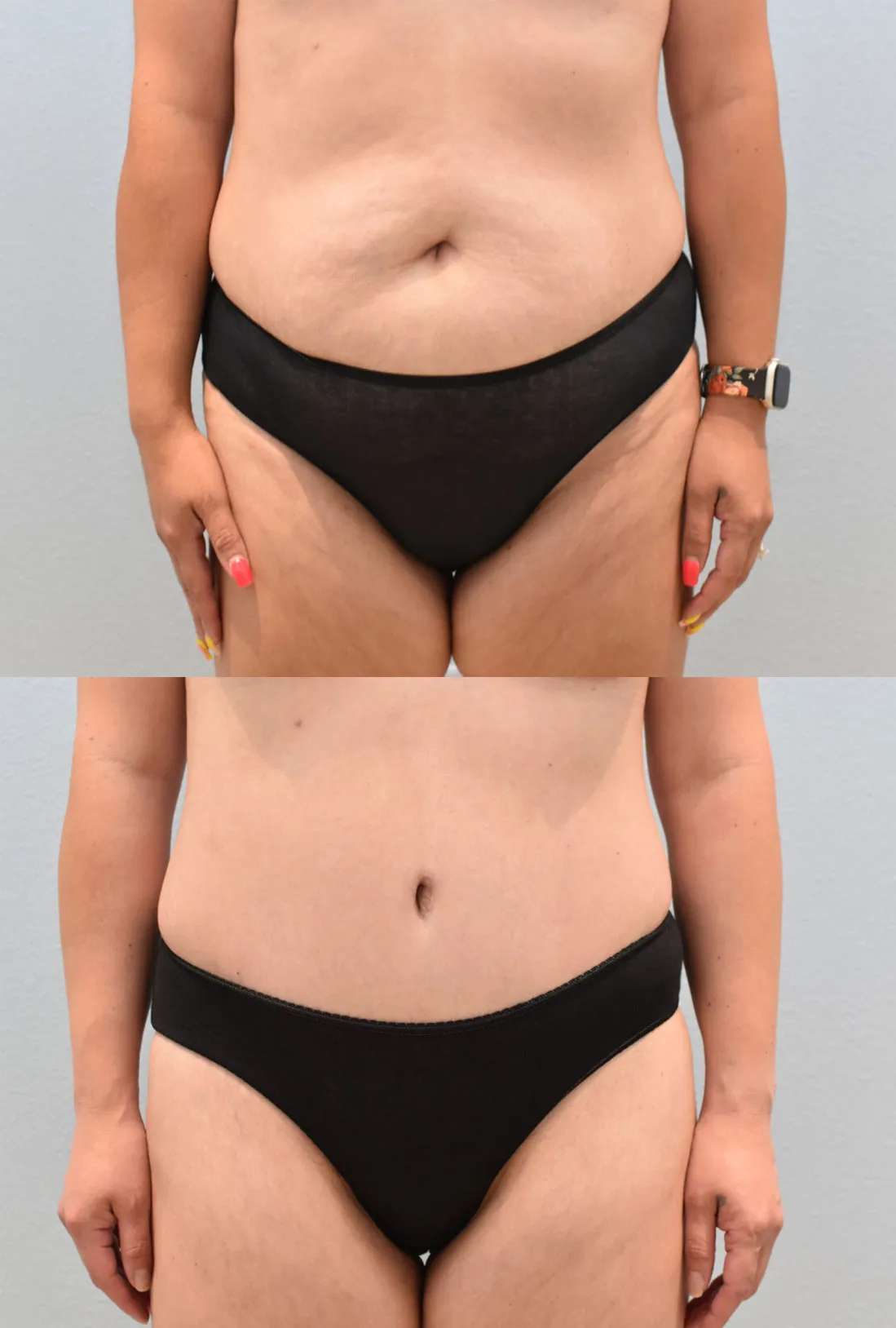
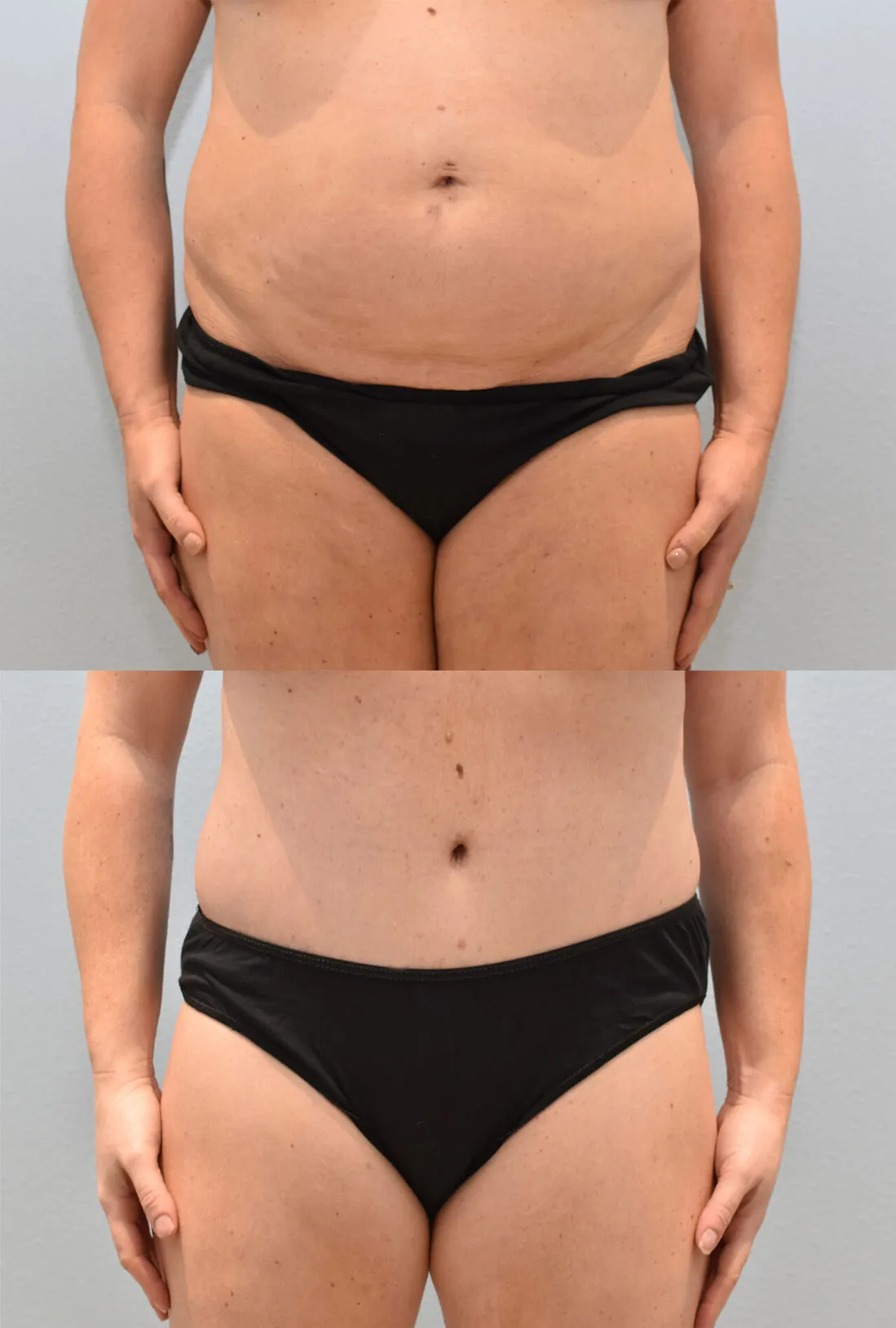
Real Patient Results
Check out some of the before/after photos from patients
How long does it take to recover from a tummy tuck?
Initial recovery typically takes several weeks. Many patients feel comfortable resuming light activities within 2–3 weeks, but full healing and final results continue to develop over several months. Recovery time varies based on the procedure and individual healing.
When can I return to work after a tummy tuck?
Patients with non-physical jobs may return to work in about 1–2 weeks, once they are off prescription pain medication and able to move comfortably. Physically demanding jobs usually require a longer recovery period.
How long will swelling last after a tummy tuck?
Swelling is expected after surgery and gradually improves over time. While much of it resolves within the first few weeks, mild swelling can persist for several months as healing continues.
When can I exercise again after a tummy tuck?
Walking is encouraged early, but strenuous exercise and abdominal workouts should wait until your surgeon provides clearance, often around 6 weeks or later. Gradual progression helps protect healing tissues.
Are tummy tuck results permanent?
Results are long-lasting with a stable weight and healthy lifestyle. Significant weight changes or future pregnancies can affect your outcome.