English
 Español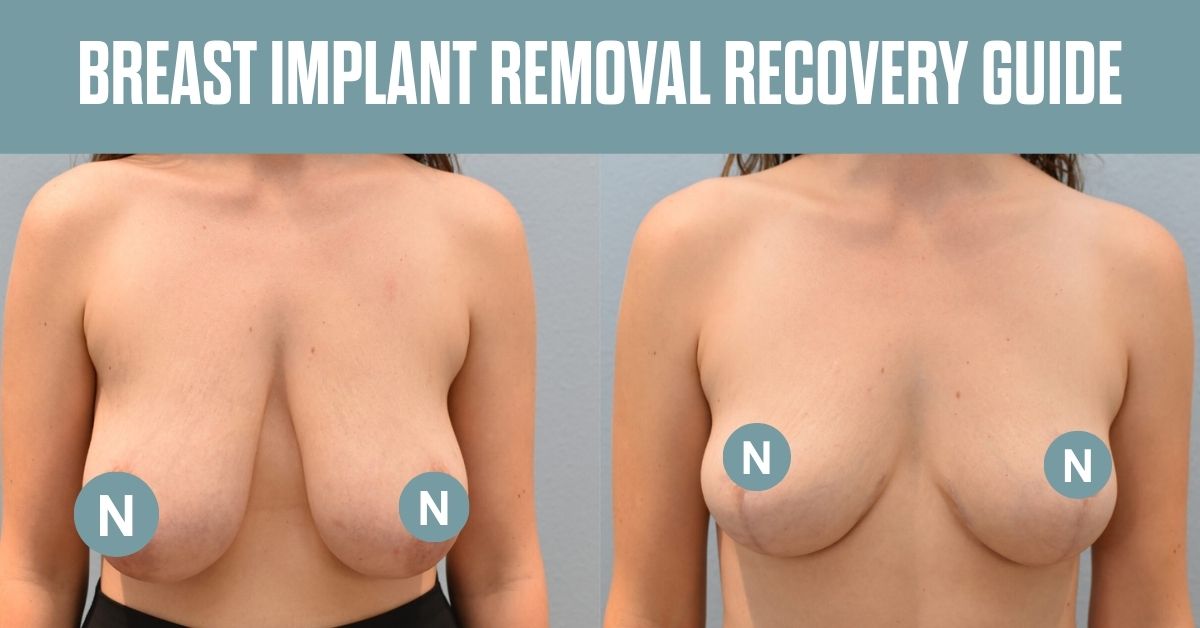
Breast implant removal, also called explant surgery, is a common and safe procedure for women who are ready for a more natural look or looking to address implant-related concerns. With the right preparation and guidance, most patients heal smoothly and return to normal activities within a few weeks.
This step-by-step guide covers the complete implant removal healing timeline, including what to expect week-by-week, what activity restrictions you can expect, how to best manage your pain, and many other questions you may have.
We want you to be well-informed about the recovery process. Check out the recovery guide below, then contact us with any additional concerns you may have.
What Happens During A Breast Implant Removal?
Every plan is customized, but most procedures involve:
- Removing the breast implants
- Removing all or part of the capsule (scar tissue surrounding the implant)
- Reshaping or tightening tissue if necessary
- Carefully closing incisions to minimize scarring
Many patients combine removal with a breast lift, offering improved shape and support, while others choose to combine with a fat transfer or scar revision. However, you can also choose to have your implant removed and do no additional surgery. Your surgeon will work with you to determine exactly what your surgery will include during your breast implant removal consultation.
Breast Implant Removal Recovery: What To Expect
Since you’ve already experienced the breast implant recovery process, you have a good idea of what to expect during explant surgery recovery. The good news is that many patients report it being easier to recover from explant surgery than implant surgery. However, it’s still important to take it slow and give your body the time and rest it needs.
Every implant removal healing timeline is unique, but here’s a general idea of what you can expect:
Before Surgery
A little preparation in the weeks leading up to surgery can make your recovery much easier. We recommend that you:
- Arrange help at home for 3-5 days
- Prepare meals ahead of time or schedule food deliveries
- Set up a comfortable resting area with pillows
- Buy loose clothes that zip or button up the front
- Fill prescription in advance
- Avoid smoking and alcohol
- Review all implant removal aftercare instructions and follow up about any questions
Week 1: Rest, Support, And Early Healing
The week immediately following surgery requires lots of rest as your body focuses on healing.
Discomfort
You may feel:
- Tightness or pressure
- Muscle soreness
- Swelling
- Fatigue
Most patients describe the pain as moderate and very manageable with medication.
Drains
Some patients go home with drains to prevent fluid buildup. We’ll show you how to empty and measure output, and how to keep the area clean. Your doctor will likely remove the drains during your first follow-up appointment.
Support Bra
You’ll need to wear your surgical bra 24/7 unless showering. This reduces swelling and supports your healing tissue.
Movement
Rest most of the day, but take short walks around the house to encourage blood flow. Avoid lifting, pushing/pulling, or reaching overhead.
Hygiene
You can sponge bathe, but don’t immerse yourself in the bathtub. Your surgeon will tell you when it’s safe to shower. If you are able to shower while your drain is still in, you can use a lanyard set like this one to hold your brain bulbs.
Work
Plan to take off at least 5-7 days. For some women, this can be even longer.
Week 2: Early Improvement
By the second week, you’ll likely feel less sore and notice reduced swelling. Your energy will begin to return, and you will no longer need to rely on others as much for help.
You should now be able to:
- Shower normally
- Do light household tasks
- Work at a desk job
Continue to avoid:
- Exercise beyond light walking
- Lifting over 5-10 pounds
- Straining your chest
Somewhere between days 10 and 14 is often when patients feel like they’ve made it past the hardest part.
Weeks 3-4: Gradual Return To Normal Activity
At weeks 3-4, most patients:
- Return to regular daily routines
- Drive comfortable
- Walk longer distances
- Switch to a soft support bra
Your breast shape may still look slightly swollen or like it’s still settling. This is normal– you won’t reach your final contours for weeks.
Weeks 5-6: Strength And Confidence Return
About a month post-op, your swelling and incision are continuing to improve. Your energy levels should be back to normal, and your breasts will soften and look more natural.
With your surgeon’s approval, you can:
- Resume light workouts
- Lift slightly heavier items
- Gradually increase your activity
You still need to avoid high-impact chest exercises– which can strain your healing scar– until your surgeon clears you.
3 Months And Beyond: Final Results Take Shape
You may feel completely recovered, but subtle healing continues for months.
During this time:
- Scars fade and soften
- Residual swelling resolves
- Breast tissue settles naturally
- Final shape becomes visible
Most patients tell us this is when they truly feel like themselves again.
Explant Surgery Recovery Tips
A smooth recovery depends on daily habits that support healing and reduce discomfort. Here’s what we recommend.
Take Medication On Schedule
During the first few days, take your prescribed pain medication or suggested over-the-counter options on a consistent schedule. Set a timer or alarm so you don’t forget. If you wait until your pain becomes intense, it’s harder to manage and can leave you feeling drained.
Most patients transition off prescription medication within 2-4 days.
Wear Your Support Bra Consistently
Your surgical bra does several things to promote healing and keep you as comfortable as possible:
- Reduces swelling
- Minimizes pulling on incisions
- Helps fluid drain properly
- Decreases soreness with movement
You need to wear your bra day and night unless showering, until you’ve been instructed otherwise.
Sleep Elevated
Rest with your upper body slightly elevated (using pillows or a wedge) to reduce swelling and pressure in your chest. You’ll need to sleep on your back to protect your incisions and avoid accidental strain.
Prioritize Gentle Movement
It may feel tempting to stay in bed all day, but light movement will help you heal faster.
Short, slow walks:
- Improve circulation
- Reduce stiffness
- Lower the risk of blood clots
- Boost energy and mood
Take a short walk around your home every few hours. You might even time your walks after you take your pain medication to help you stay consistent.
Stay Hydrated and Nourished
Your body needs energy to heal. Drink plenty of water and eat protein-rich, nutrient-dense foods to support tissue repair. Low blood sugar or dehydration can make you feel more sore and tired.
Listen To Your Body
If something feels tight, heavy, or uncomfortable, it’s your body’s way of telling you to slow down. You may be tempted to jump back into ‘normal’ life and activity, but your body needs time to heal. Slow but steady progress is the best way to avoid any complications and help you achieve the results you want.
Scar Management Tips
During explant surgery, incisions are usually made along your natural breast crease or within previous scars, in order to be as discreet as possible. With proper care, most scars fade significantly and become barely noticeable.
Focus On Incision Care First
During the first 1-2 weeks, focus on keeping your incisions clean, dry, and protected. Avoid applying any scar lotions or products until your surgeon says it’s safe. Early irritation can slow your healing.
Start Silicone Therapy When Cleared
Once your incisions are fully closed, your surgeon will recommend silicone sheets. Silicone is considered the gold standard in scar treatment, because it:
- Hydrates healing skin
- Softens thick or raised scars
- Improves color and texture
Silicone sheets can be applied and remain on your skin for days at a time, so you don’t have to remember twice daily application of a gel or lotion.
Gently Massage Scars
After your surgeon clears you, light massage can help break up firm tissue and improve flexibility. Using clean hands and a small amount of moisturizer, gently massage the area in circular motions for a few minutes each day.
Be Patient With The Timeline
It’s normal for your scars to look pink or red, feel firm, or look slightly raised. They’ll gradually lighten and soften with time, and most patients report significant fading by 3-6 months. However, it can take a year or more for your scars to fully fade into their final appearance.
When To Call Your Surgeon
Most breast implant removal recovery symptoms are completely normal and get a little bit better each day. But if something feels worse instead of better, don’t wait it out. Our surgical team is always happy to help, and calling early can prevent small concerns from becoming bigger ones.
Call our office if you notice:
- Pain that increases or can’t be controlled with medication
- Fever over 101℉ or flu-like symptoms
- Spreading redness or warmth
- Unusual drainage
- Sudden or uneven swelling in one breast
- Your incisions opening or bleeding
- Drain problems
Seek immediate care for:
- Shortness of breath
- Chest pain
- Leg swelling
- Sudden dizziness
When in doubt, reach out. You’re never bothering us– peace of mind is part of your care.
Real Patient Results
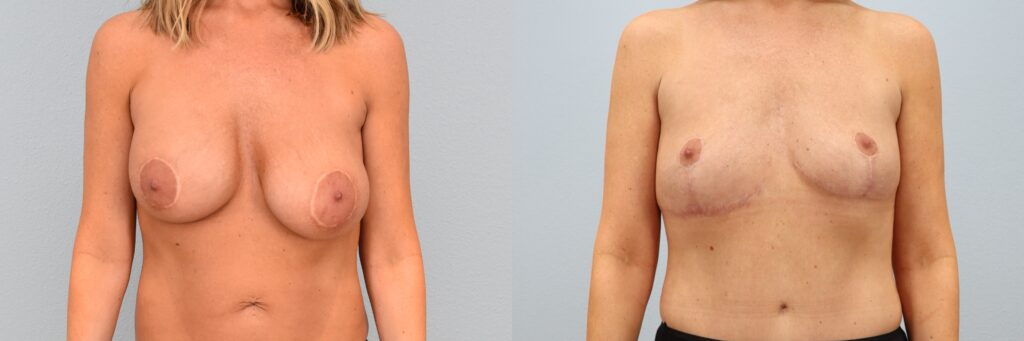
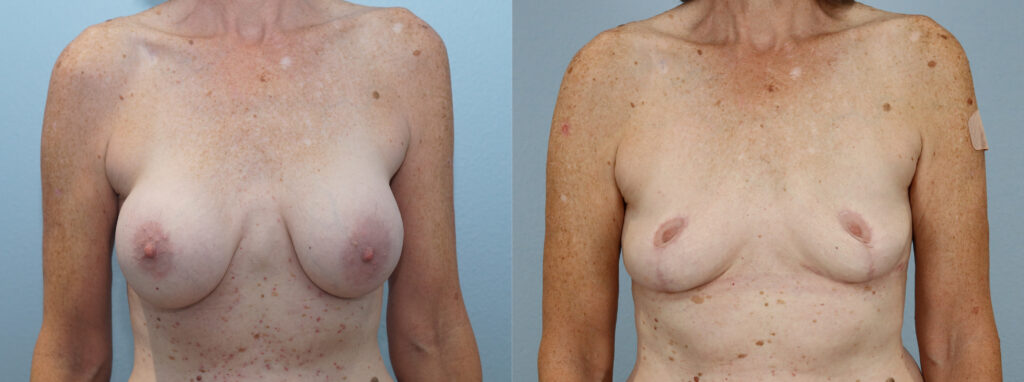
Dr. Neaman and Dr. Christiansen have worked with many patients who wished to remove their breast implants and return to their natural appearance. You can browse the full patient gallery here to see more before and after examples.

You’re Not In This Alone
Breast implant removal is more than a procedure. For most patients, it’s a big step toward feeling healthier and more like yourself.
If you’re interested in learning more about implant removal, you can book a confidential consultation with our Breast Implant Removal Specialist. Call us at 503-364-5033 or schedule a consultation here.