English
 Español
Table of Contents
CO2 laser resurfacing can make a dramatic difference in wrinkles, sun damage, uneven texture, and other signs of aging, but those amazing results don’t appear overnight. Before fresh, smoother skin can emerge, you’ll go through a healing period.
Knowing what to expect after CO2 laser can make recovery easier to plan for and less taxing. This guide walks you through the healing timeline, how you can prepare, and what your skin needs while it recovers from treatment.
How to Prepare Before Your Procedure
Preparing your home and your schedule before your CO2 laser resurfacing procedure will make recovery much easier. Your skin will probably feel sensitive, warm, and tight after treatment, and you may not want to leave your house for the first few days. Having everything ready will allow you to focus on healing and help you achieve optimal results.
Purchase Recovery Supplies
Stock up on all the necessary recovery products before your procedure so you don’t have to run errands while your skin is healing. Suggested recovery supplies usually include:
Healing ointment or moisturizer (such as Aquaphor or plain Vaseline)
Sunscreen, 30 SPF or greater
4×4 inch gauze pads
White vinegar
Cool compresses or reusable cold packs
Extra clean pillowcases and towels
A wide-brimmed hat for sun protection
Prescribed medications and over-the-counter pain relievers
It may help to keep your aftercare products in the fridge for a cooler sensation when applying them.
Prepare Your Home
Set up your home so you’ll have everything you need and the ability to stay home immediately following your procedure. Wash your bedding and pillowcases before treatment, including the extra pillowcases you have on hand.
You may also want to prepare a few simple meals, run any errands, and take care of physically involved tasks ahead of time.
Sun protection is critical during CO2 laser resurfacing recovery, so plan to spend most of your early recovery indoors and away from direct sunlight. You don’t need to close all the shades and live in the dark, but choose some recovery spaces that are inside and away from windows. If you need to leave home, keep your skin well-protected from the sun.
Schedule Time to Rest and Recover
CO2 laser resurfacing requires more downtime than lighter laser treatments because it causes redness, swelling, peeling, crusting, and sensitivity. You’ll probably want to stay home for several days, and deeper treatments may end up requiring a longer recovery period.
Try to schedule your procedure when you have a break in the calendar. If you work remotely and off-camera, you may feel comfortable resuming work after a day or two. Otherwise, give yourself a break from work, exercise, and social events. Don’t plan your CO2 procedure right before an important event. Your provider can give you a better estimate of the suggested downtime based on the type and intensity of your laser treatment.
CO2 Laser Healing Timeline
Healing after CO2 laser resurfacing happens in stages, but the first week is usually the most involved. Your exact recovery depends on the intensity of your treatment and how your skin responds.
Day 1: Redness, Swelling, and Warmth
Right after treatment, your skin will probably look very red and feel warm and swollen, much like a significant sunburn. If you choose a more intensive treatment, you may see oozing or pinpoint bleeding– this is normal.
Keep your skin moisturized with ointment and follow your cleansing instructions carefully. Do not apply any makeup.
Many patients find that diluted vinegar helps reduce swelling and discomfort. Mix 1 teaspoon of vinegar with 1 cup of water, then soak your gauze in the solution and apply it to your face. Keep the solution in a covered container in the refrigerator.
Days 2-4: Swelling, Crusting, and Peeling
Swelling will peak during the first few days, especially around the eyes. Your skin might feel tight, rough, or itchy while it’s healing, and you may see crusting, flaking, or a bronzed appearance.
Continue to gently clean your skin, use vinegar soaks to help relieve discomfort, and apply your healing ointment.
Do NOT pick, peel, or scrub away flaking skin, even if it looks like it’s ready to come off.
Days 5-7: Your New Skin Starts to Emerge
By the end of the first week, a lot of your peeling and crusting will improve, and you’ll start to see fresh skin developing underneath. Your face may still look pink or red, but your swelling and discomfort will be minimal by this point.
Continue what you’ve been doing– gentle cleansers and no active ingredients. Stay out of direct sunlight and don’t apply makeup until you’re cleared by your provider.
Weeks 2-4:
Most of the initial healing is complete after 7-10 days, but some redness can take a few weeks to completely resolve, especially after a deeper treatment.
After 2 weeks, you may be able to resume applying skincare that includes active ingredients like Benzoyl Peroxide, Retinol, Tretinoin, Vitamin C, etc. However, don’t assume that as soon as you reach 2 weeks you can begin using them. Check with your provider so that you don’t end up irritating your skin and prolonging the healing process.
One Month After:
A month after treatment, your skin should look and feel more normal. Some lingering pinkness might remain, but it will probably only be something that you notice because you know it’s there. You should be able to see improvements in skin texture, tone, and fine lines.
CO2 laser resurfacing also stimulates collagen growth beneath your skin, so your final results can take months to fully appear. You’ll want to remain diligent with sunscreen application to protect your skin and help your results last as long as possible.
Sleep During CO2 Laser Recovery
For the first few nights after CO2 laser, you’ll need to sleep on your back with your head elevated above your heart. You can use a few pillows to prop yourself up or use a wedge pillow. Keeping your head elevated limits fluid buildup and reduces facial swelling.
While your skin is healing, try to avoid sleeping on your stomach or side. Doing so can increase swelling and irritate your sensitive skin. Change your pillowcase every 1-2 nights to help keep your healing skin clean and protected.
You should be able to return to your favorite sleeping position once the initial swelling has gone down and your skin’s surface is healed– usually about a week after treatment. However, deep CO2 laser recovery takes longer and may require you to sleep in an elevated position for a few more extra days.
When to Return to Work and Exercise
One of the most common questions patients have is When can I go back to work/the gym? It can be difficult to take a break, especially since you didn’t undergo major surgery, but allowing yourself rest is important for CO2 laser aftercare.
Returning To Work
You’ll probably want to rest a day or two after your treatment, allowing yourself time to properly moisturize your face and jump-start the healing process. If you have a remote or private desk job, you will likely feel physically ready to return 2-3 days after treatment. If you have a public-facing job or a job that involves a lot of face-to-face meetings, you may want to ask for accommodations or take a bit longer off work while your skin heals.
Resuming Exercise
Give your skin time to heal before you jump back into your normal exercise routine. For the first few days after treatment, focus on rest and gentle movement. Avoid strenuous activity, bending over for extended periods, heavy lifting, and anything that significantly increases your heart rate.
In most cases, it’s best to avoid vigorous exercise for 1-2 weeks. Wait until your skin is healed and your provider clears you. Exercise increases blood flow and body temperature, and sweat can irritate your freshly resurfaced skin. Neither scenario is conducive to your healing.
When you do start exercising again, try to ease back into your routine. If you work out outside, make sure you use sunscreen and avoid prolonged direct sunlight.
The Emotional Side of CO2 Laser Recovery
CO2 laser recovery isn’t just about waiting for your skin to heal. The first few days can be an emotional adjustment as well. Your face might be swollen, very red, peeling, or crusting, and it can be hard to see past how your skin looks at that moment.
It’s also common to feel impatient once the initial healing is over. Your skin may still be pink or uneven, even though you feel ready to get back to normal. Remember that healing and seeing your final results are two different milestones.
If you’re feeling frustrated about the state of your healing skin, try not to compare yourself to fully healed photos. Give your skin time to heal and follow aftercare instructions. In a month, this period of healing will all be worth it.
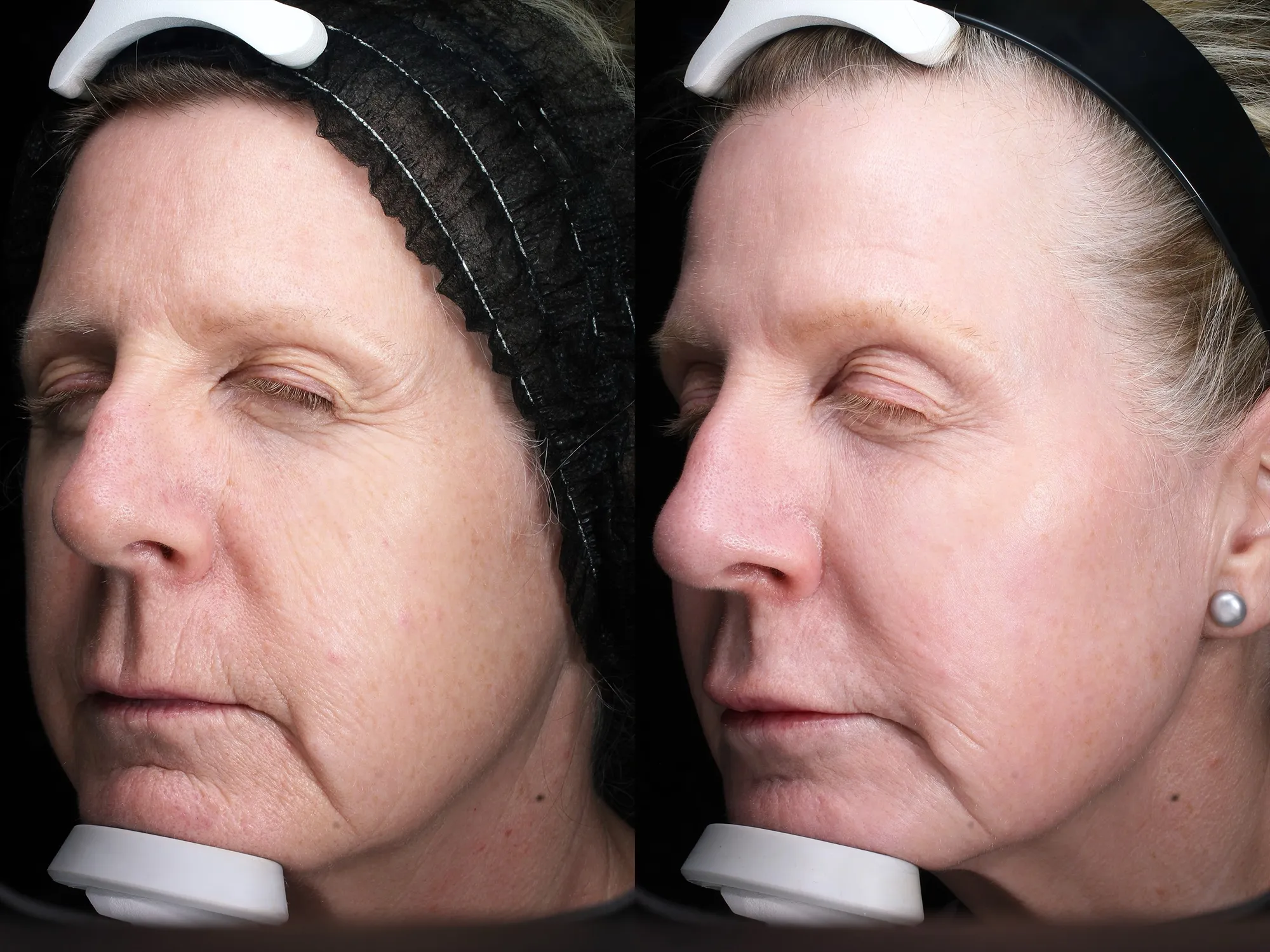
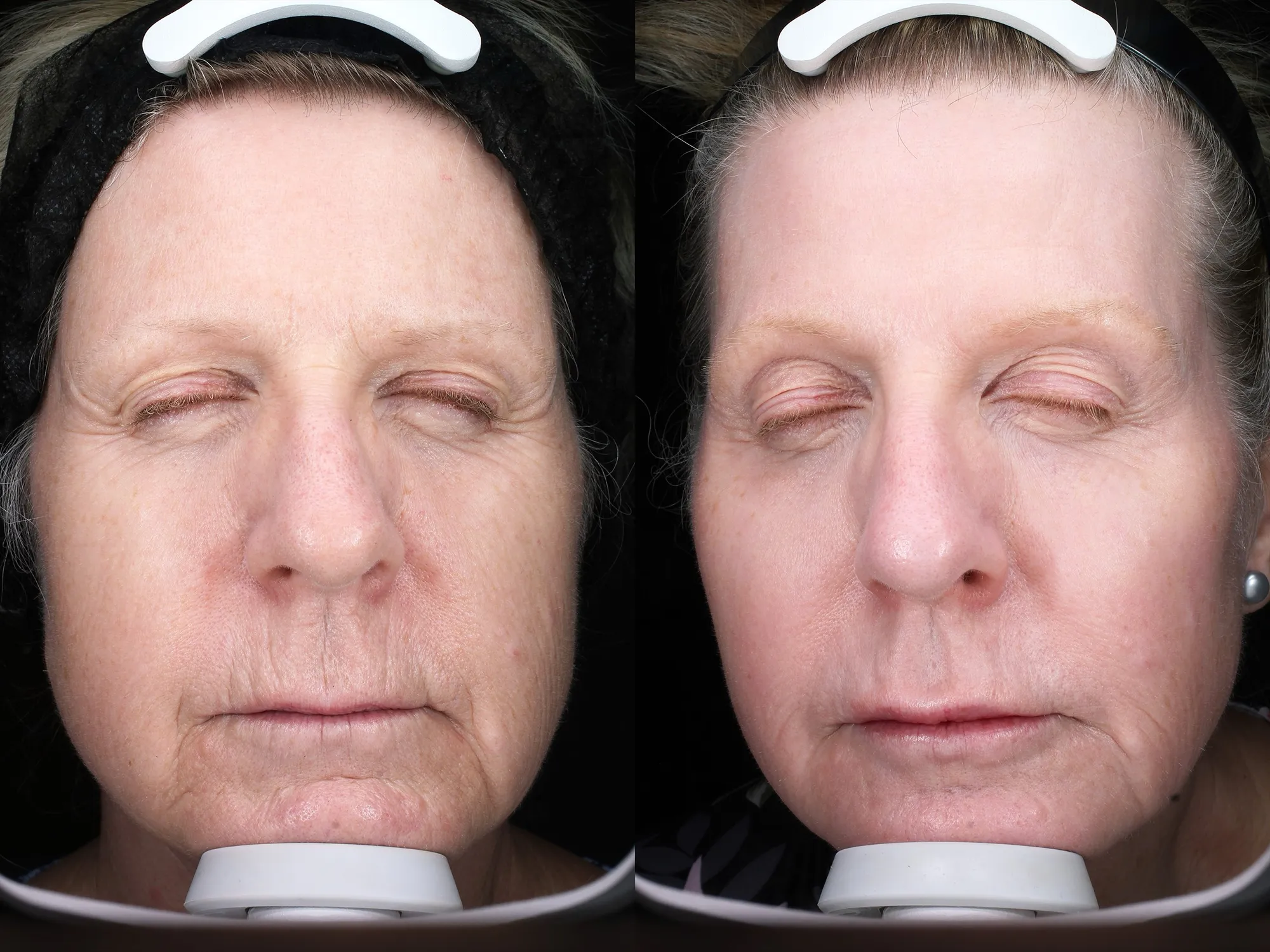
You can see the impact that laser resurfacing and other skin refreshing procedures have from these COs laser before and after photos:
Common Recovery Mistakes
Knowing what you should– and shouldn’t do– for CO2 laser aftercare can give you greater confidence as you go through the healing process. While your skin is recovering, try to avoid these common mistakes:
Picking or peeling your skin. Flaking and crusting are normal during healing. Pulling at the loose skin can prolong the healing process and increase the risk of infection or scarring.
Returning to active skincare too quickly. A lot of patients interested in laser resurfacing are diligent about their skincare process, but it’s important to take a break during the CO2 laser downtime period.
Not keeping the healing skin moisturized. And not just with a moisturizer, but a healing ointment as well. Allowing your skin to become overly dry can make recovery uncomfortable.
Using makeup before the skin has healed. This can be hard, especially if you want to disguise healing skin and leave your house. However, using makeup over raw or healing skin can interfere with healing.
Judging your results too early. Your final results don’t show up once the peeling is done. It can take months for redness to fully subside and the collagen remodeling to take effect.
If you want to learn more about the procedure or see if CO2 laser resurfacing is right for you, schedule a consultation with Neaman Plastic Surgery & Medi Spa.
How long does CO2 laser recovery take?
Most patients need about a week of at-home laser resurfacing recovery. After 7-10 days, most of the swelling and redness has subsided, and you’ll probably feel comfortable leaving the house.
What does my skin look like after CO2 laser?
Right after treatment, your skin will look red and swollen, and it’ll feel like you got a bad sunburn on your face. Over the next few days, your skin will start to crust, peel, and flake, then fresh pink skin will emerge.
How long does redness last after CO2 laser?
Significant CO2 laser redness usually improves during the first couple of weeks, but some pinkness can linger for several weeks after that. The deeper your treatment is, the longer your redness will last.
When does peeling start after CO2 laser?
CO2 laser peeling usually starts within a few days after treatment. Although it’s tempting to pull the dead skin off, letting it shed on its own is better for healing.
Can I wear makeup after CO2 laser resurfacing?
You’ll need to wait until your skin has healed before applying makeup. It’s usually a week or two before your skin is ready. Check with your provider before you resume using any makeup.
When can I exercise after CO2 laser?
It’s best to avoid strenuous exercise during the early stages of healing. Heat and sweating can irritate your skin. Your provider will give you the go-ahead when you’re safe to resume your exercise routine.
What products should I use after CO2 laser?
Stick to a simple routine during the recovery period. Necessary CO2 laser aftercare products include a gentle cleanser, healing ointment or moisturizer, and sunscreen with at least 50 SPF. You can reintroduce skincare that includes active ingredients when your provider says your skin is ready– until then, skip that part of your routine.
What should I avoid after CO2 laser?
After CO2 laser resurfacing, avoid direct sun exposure, picking at your skin, excessive heat, strenuous exercise, and irritating skincare.
Is CO2 laser better in the fall or winter?
For a lot of patients, fall or winter is the best time of year for CO2 laser because it’s easier to stay out of the sun while you’re recovering. However, you can have treatment any time of year, as long as you’re diligent about protecting your skin from UV exposure.
How long until I see CO2 laser results?
You’ll start to see results within a few weeks, as your skin heals and the redness fades. However, it can take months for pinkness to fully go away, and CO2 laser treatment stimulates collagen remodeling. Because of both of these factors, you’ll probably see improvements in your skin texture, firmness, and overall appearance for several months.
How do I know if I need light or deep CO2 laser resurfacing?
The type of CO2 resurfacing you might need depends on your skin, concerns, desired results, and how much downtime you’re okay with. Lighter treatments can help with subtle texture and pigmentation concerns, and recovery is usually shorter. Deeper resurfacing can address significant wrinkles, sun damage, and acne scars, but deep CO2 laser recovery is a longer process. Your provider will talk to you about what you want to achieve and suggest the treatment depth that’s right for you.