English
 Español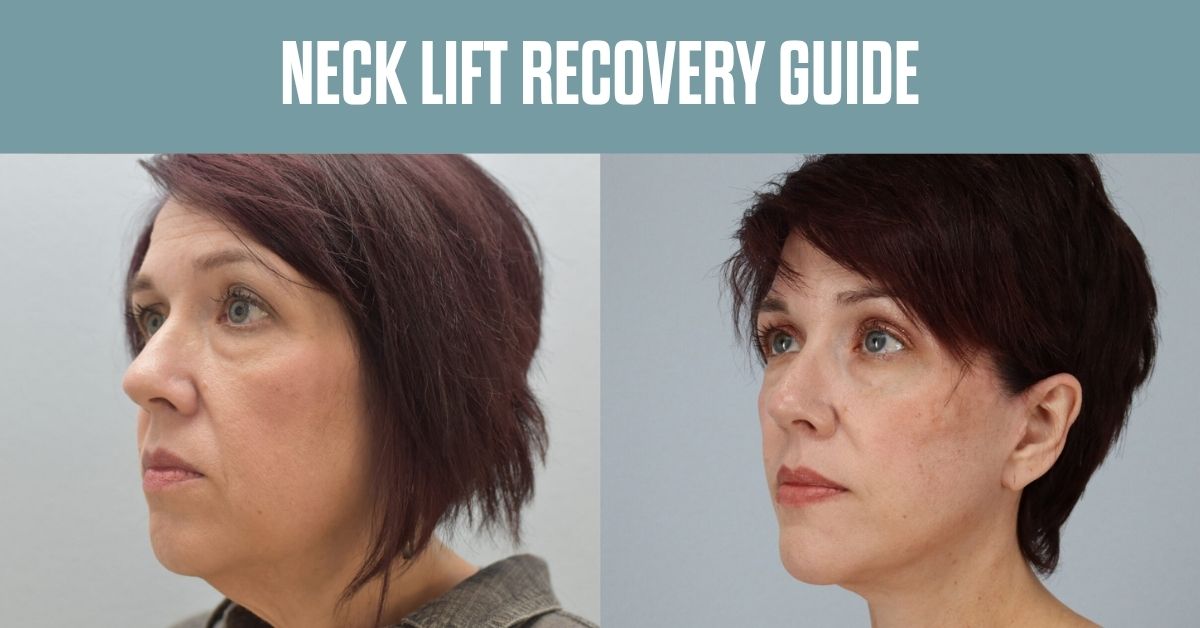
Table of Contents
Undergoing neck lift surgery can be a transformative experience. It helps individuals regain confidence and achieve a more youthful appearance. But like any surgical procedure, it’s essential to understand what to expect during surgery and recovery. This guide will walk you through the entire neck lift process, from your initial consultation to the surgery itself, then finally everything you need to know about neck lift recovery.
Set Realistic Expectations: What a Neck Lift Can Address
Before venturing on your neck lift journey, it’s important to set practical expectations. While the procedure can give you exceptional results, remember that no surgery can entirely stop the natural aging process. A neck lift manages matters such as sagging skin, excess fat, and muscle banding in the neck area.
However, the procedure can’t address skin concerns like sun damage or fine lines. It also can’t restore lost volume in your chin, jawline, or lower face like dermal fillers can. A neck lift may help remove loose skin after you lose a significant amount of weight, but the surgery itself isn’t a weight loss procedure.
Ultimately, a neck lift isn’t a one-size-fits-all solution, and it helps to have realistic neck lift expectations. At Neaman Plastic Surgery, each person’s anatomy and goals are taken into consideration to determine whether they’re a good candidate for the surgery.
The Consultation Process
Choosing a reputable plastic surgery practice like Neaman Plastic Surgery is the first step toward achieving your desired outcomes. During the consultation, Dr. Neaman or Dr. Christiansen will discuss your goals, examine your neck’s condition, and determine if a neck lift is the most suitable option for you.
Neck Lift vs. Facelift: Which Procedure Do You Need?
Although they’re often discussed together, a neck lift and facelift address different signs of aging.
Some patients want to address their ‘turkey neck’ or loss of definition under the jawline, which makes a neck lift the right choice. Other people have more noticeable aging on their face, and a facelift can help address deep folds around their mouth or sagging cheeks.
Most of the time, however, the neck and face age together. Addressing one area but not the other can leave you with an unbalanced appearance, which is why a facelift and neck lift are often performed together. Undergoing both procedures at the same time also means you can navigate neck lift and facelift recovery simultaneously instead of planning two separate recovery periods.
In the video below, Dr. Neaman explains what he evaluates during a facelift or neck lift consultation.
How to Prepare Your Home for Neck Lift Recovery
In the weeks leading up to your neck lift, set up your home for a smoother recovery process. Create a comfortable recovery area that includes extra pillows or a wedge pillow, so you can sleep with your head elevated. Keep all the supplies you’ll need within arms reach, such as your water bottle, remote, and compression strap.
Fill any prescriptions in advance, stock up on easy-to-prepare meals, and ask a friend or family member to drive you home and stay with you the first few days.
Review all of your post-op directions and reach out to your surgeon’s office if you need any clarification.
What Happens During the Surgery?
A neck lift surgery typically involves several key steps, including:
Anesthesia
The procedure is usually performed under general anesthesia or intravenous sedation to ensure you feel no discomfort.
Incisions
Depending on the extent of the surgery, incisions are strategically placed behind the ears and, in some cases, beneath the chin to ensure they are barely visible after the healing process.
Tissue Repositioning
The underlying muscles may be tightened, excess fat removed, and the skin re-draped to create a youthful contour.
Incision Closure
Once the desired adjustments are made, the incisions are carefully closed with sutures.
Neck Lift Recovery Timeline
Each patient’s recovery is different. It depends on your body’s natural healing abilities, as well as the extent of the procedure and whether it was combined with liposuction or a facelift. Here’s what you can expect during the first six months of neck lift surgery recovery.
The First 24-48 Hours
Swelling and tightness peak.
Wear your compression garment as directed.
Rest and sleep with your head elevated.
Take short walks.
Manage discomfort with prescribed medication.
Week One
Bruising and swelling remain noticeable but begin improving.
Attend scheduled follow-up appointments.
Continue sleeping on your back with your head elevated.
Avoid strenuous activity as well as bending or lifting.
Weeks Two and Three
Most bruises should be faded.
Swelling should be almost gone.
Most people feel ready to return to work and attend social events
Makeup can usually hide any remaining discoloration– check with your surgeon for approval.
Weeks Four Through Six
Resume exercise once cleared by your surgeon.
Tightness should be improved.
Incisions are healing, and you may be able to begin scar care.
Three to Six Months
Residual swelling will continue to fade and your scar will mature.
Neck contour will become more refined.
Your final results should be apparent after six months.
When to Call Your Surgeon
Call your surgeon if you start to experience increasing redness, unexpected drainage, sudden swelling on one side, severe pain that your medication doesn’t address, or a fever.
What to Expect After Neck Lift Surgery
After the surgery, recovery is necessary to allow your body time to heal and the results to become visible. Swelling, bruising, and discomfort are common during the initial days.
Observing your surgeon’s post-operative care instructions is necessary to guarantee a smooth neck lift recovery process. These instructions may include the following suggestions:
Rest and Elevation
Resting and keeping your head elevated can help reduce swelling and promote healing. Avoid strenuous activities during the early stages of recovery to prevent complications.
Sleep
Keep your head elevated even when you sleep during the first few weeks.
How to Sleep After a Necklift
Recovery Period | Sleeping Guidance |
Early Recovery | Sleep on your back with your head elevated |
First Few Weeks | Continue elevation as directed by your surgeon |
Side Sleeping | Wait until your surgeon clears you |
Stomach Sleeping | Avoid until your surgeon says it is safe |
Pain Management
Pain and discomfort are natural after surgery. Your surgeon will provide pain management guidelines.
Swelling and Bruising
Swelling and bruising are most noticeable during the first two weeks after surgery, then gradually improve. It can take several months for all residual swelling to resolve and your final neck contour to take shape.
Scar Care
Most neck lift incisions are hidden behind the ears and beneath the chin. Once your incisions have healed, your surgeon may recommend scar care treatments, such as silicone gel or silicone sheets, to encourage the scars to mature as discreetly as possible. Protecting your neck lift scars from sun exposure is also important during the first year.
Follow-Up Appointments
Regular follow-up appointments will be scheduled to track your progress and make any necessary adjustments.
Diet and Hydration:
Maintaining a healthy diet and staying hydrated can also aid in healing. Most patients feel ready to return to work, social events, and other routine activities within 2-3 weeks, especially once most of their bruising and swelling has gone down. However, your surgeon will let you know when it’s safe to resume your normal routine at your follow-up appointments.
What’s Normal vs. When to Call Your Surgeon
Common During Neck Lift Recovery | Call Your Surgeon About |
Swelling | Sudden swelling on one side |
Bruising | Increasing redness |
Tightness | Unexpected drainage |
Soreness or discomfort | Severe pain not controlled by medication |
Temporary stiffness | Fever |
Gradually changing neck contour | Symptoms your surgical team has told you require urgent attention |
Patience is Key
It’s essential to have patience during your recovery journey. Swelling and bruising will gradually subside, and the final results will become more apparent as your body heals. It’s common for individuals to see the full benefits of their neck lift within a few months after surgery.
Schedule A Consultation
Neck lift surgery can be life-changing and restore a more youthful and defined neck contour. Dr. Neaman and Dr. Christiansen at Neaman Plastic Surgery have the expertise to guide you through the process and achieve your aesthetic goals.
To learn more about the neck lift procedure and recovery options, schedule a consultation at our Salem, OR office today. Call us at 503-364-5033 or use our online contact form.
How long does neck lift recovery take?
Most people feel ready to return to work and other light activities within 2-3 weeks, but residual swelling can take several months to fully resolve. Your surgeon will let you know when you’ve healed enough to resume all your normal activities.
Is neck lift recovery painful?
Our patients usually describe neck lift recovery as more uncomfortable than painful. It’s normal to experience tightness, swelling, soreness, and a stiff neck for the first few days, but pain medication can help control these symptoms.
When will I look normal after a neck lift?
Immediately after your neck lift, you’ll have healing incisions along with bruising and swelling. It usually takes about 2-3 weeks to feel comfortable being seen in public, then several months for the swelling to completely go away and your new contours to show.
Where are neck lift scars placed?
Incisions are usually hidden behind the ears and under the chin, so that neck lift scars are as discreet as possible. With proper care, scars fade so they’re barely noticeable.
Can a neck lift be combined with a facelift?
Yes, a lot of people choose to combine a neck lift and facelift. This gives you a more balanced and natural-looking outcome.
How long do neck lift results last?
The improved contour from a neck lift can often last 10 or more years. Maintaining a stable weight, protecting your skin from sun damage, and following a healthy lifestyle will contribute to the longevity of your results.
When can I exercise after neck lift surgery?
You’re encouraged to take short walks right after surgery to promote circulation, but you should avoid strenuous exercise and heavy lifting for several weeks. Most patients are cleared to gradually return to exercise around weeks 4-6. Your surgeon will let you know when it’s safe to exercise again.