English
  Español
Mommy Makeover Recovery Time: What to Expect Week by Week
You’re not alone. This friendly guide walks you through pain levels, downtime, time off work, healing milestones, and pro tips so you can plan with confidence. Every recovery is unique, but with the right preparation and our expert team by your side, you can make the process smoother—and see beautiful, lasting results.
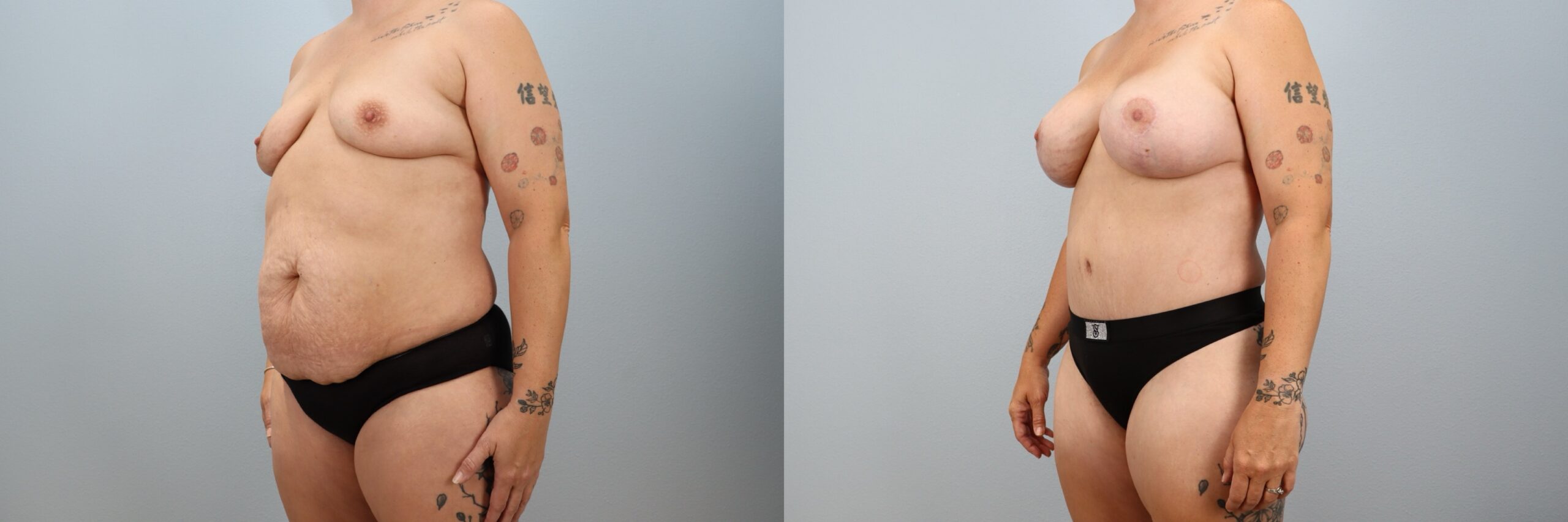
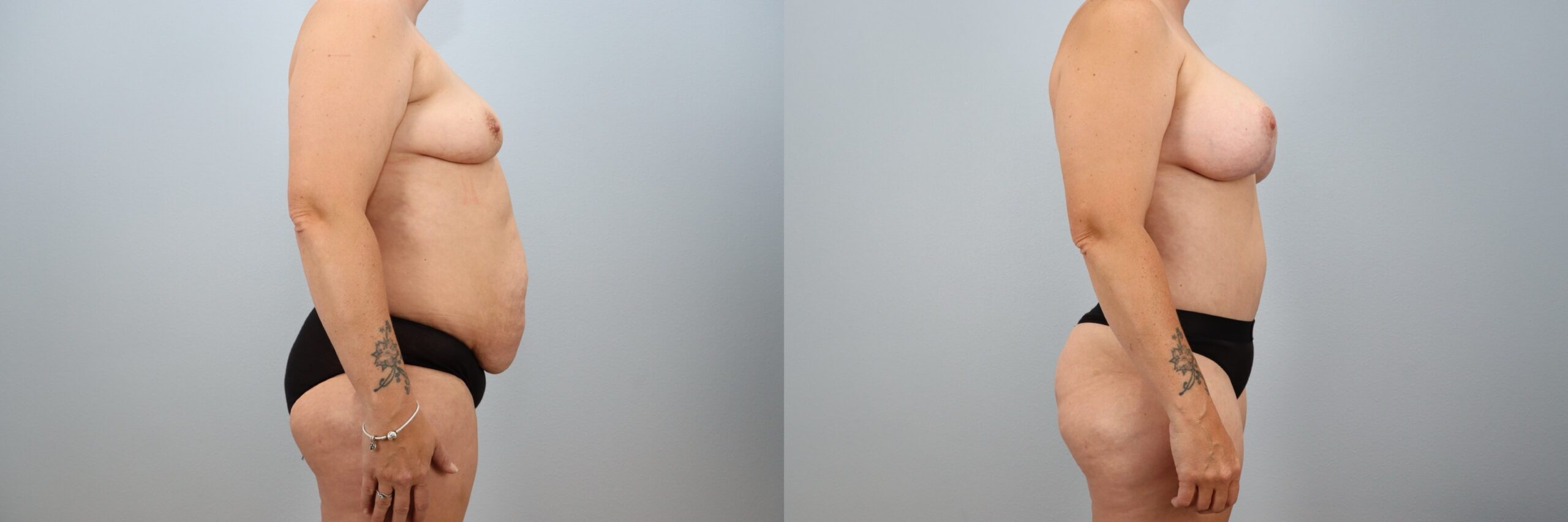
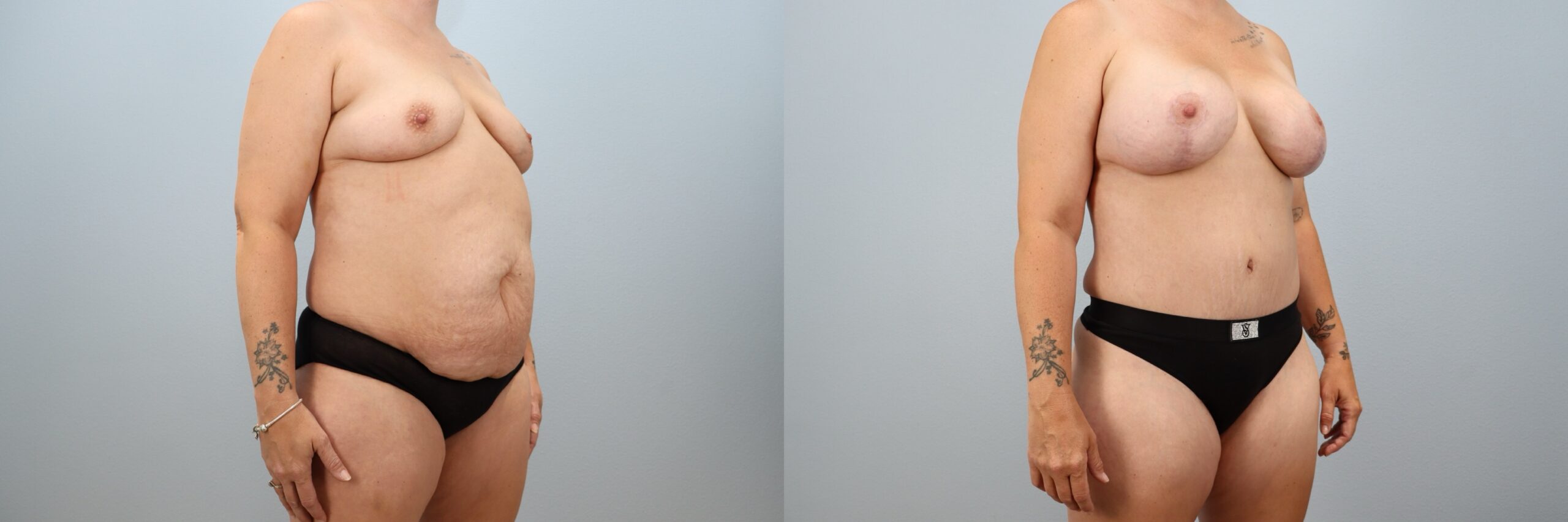
A Mommy Makeover is a powerful way for mothers to regain their confidence by addressing changes caused by pregnancy, childbirth, and breastfeeding. Most Mommy Makeovers include a combination of procedures such as a tummy tuck, breast augmentation, and liposuction, but each plan is tailored to the unique needs of the patient.
If you’re preparing for surgery, understanding your Mommy Makeover recovery time is one of the most important parts of planning. This guide walks you through the expected discomfort, downtime, healing milestones, return to work timeline, and more. You’ll also find real patient stories and expert recommendations. Knowing exactly what to expect will equip you for the smoothest possible recovery.
Every mommy makeover is unique, and your recovery will depend on:
- Which procedures are performed
- Whether surgeries are done in one session or staggered
- Your overall health and BMI
- How closely you follow your post-operative instructions
- Which procedures are combined: – A tummy tuck generally requires more downtime than liposuction or breast augmentation alone. Combining procedures can be efficient but may lengthen early recovery.
- Overall health and BMI: A healthy lifestyle, good nutrition, and being close to your goal weight support smoother healing.
- Staged vs. single session: Some patients choose to stage procedures; others complete them in one surgery. Your surgeon will recommend the safest route based on your goals and medical history.
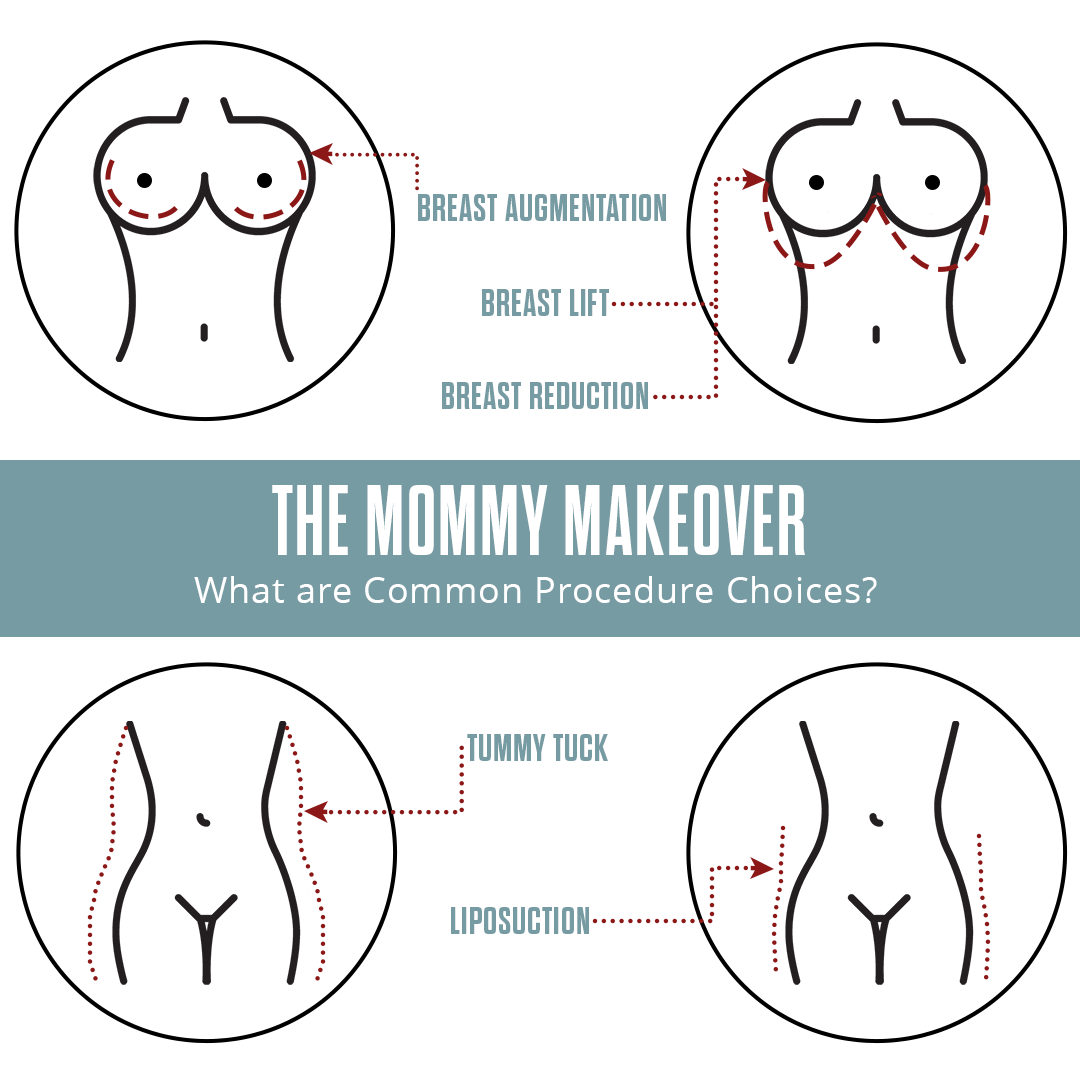
A mommy makeover typically combines 2-3 procedures for a full-body transformation. Here are some of the most popular pairings:
- Tummy tuck + breast lift
- Tummy tuck + breast augmentation
- Liposuction + breast lift or augmentation
- Tummy tuck + liposuction
- Brazilian butt lift (BBL) + tummy tuck
During your consultation, you can discuss your goals for the mommy makeover to determine which procedures are right for you.
Many patients exploring mommy makeover recovery time start by learning what’s included in a mommy makeover so they can set realistic expectations and plan support at home.
See our full list of products we recommend to make you comfortable after your surgery
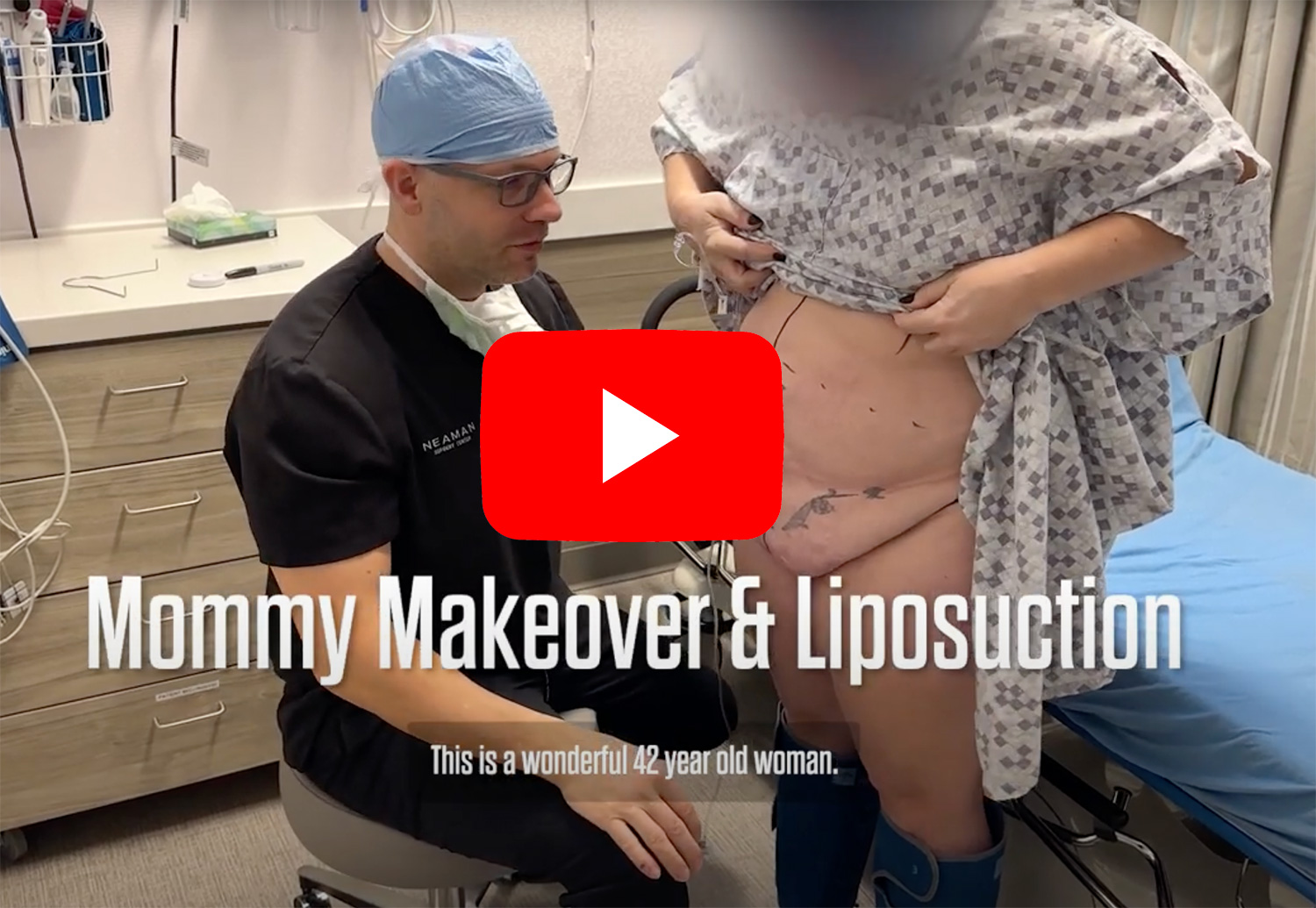
A mommy makeover is a personalized combination of procedures that often includes a tummy tuck (abdominoplasty), breast enhancement or lift, and targeted liposuction. Your plan is tailored to your goals and anatomy. Recovery is a process, but it’s manageable with preparation, good pain control, and the support of an experienced surgical team. In this guide, we’ll cover pain expectations, downtime, time off work, week-by-week milestones, and tips to help you heal confidently.
A mommy makeover involves multiple procedures, and your discomfort will depend on what’s included. Most patients describe moderate pain; a tummy tuck typically produces the highest levels of discomfort.
Your surgeon may suggest comfort measures including:
- Prescription pain medication
- Muscle relaxers
- Compression garments
- Ice or cold therapy
- Rest and limited movement
During your consultation, you can discuss your goals for the mommy makeover to determine which procedures are right for you.
Many patients exploring mommy makeover recovery time start by learning what’s included in a mommy makeover so they can set realistic expectations and plan support at home.
For a full list of products we recommend to make the Mommy Makeover recovery process more comfortable, click the button below.
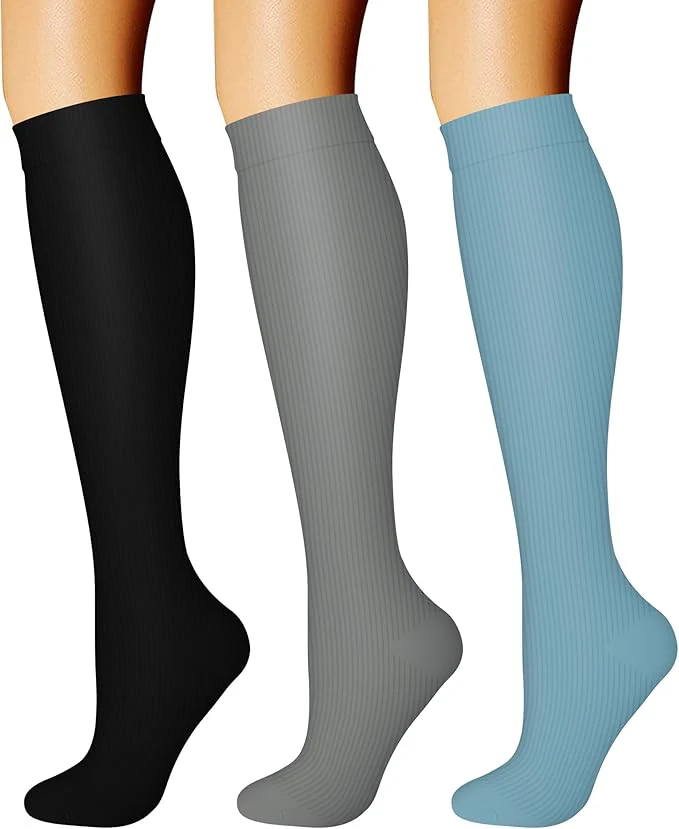
See our full list of products we recommend to make you comfortable after your surgery
Mommy makeover costs vary based on procedure combinations. If cost is a concern, financing options are available, often with a no-interest introductory offer.
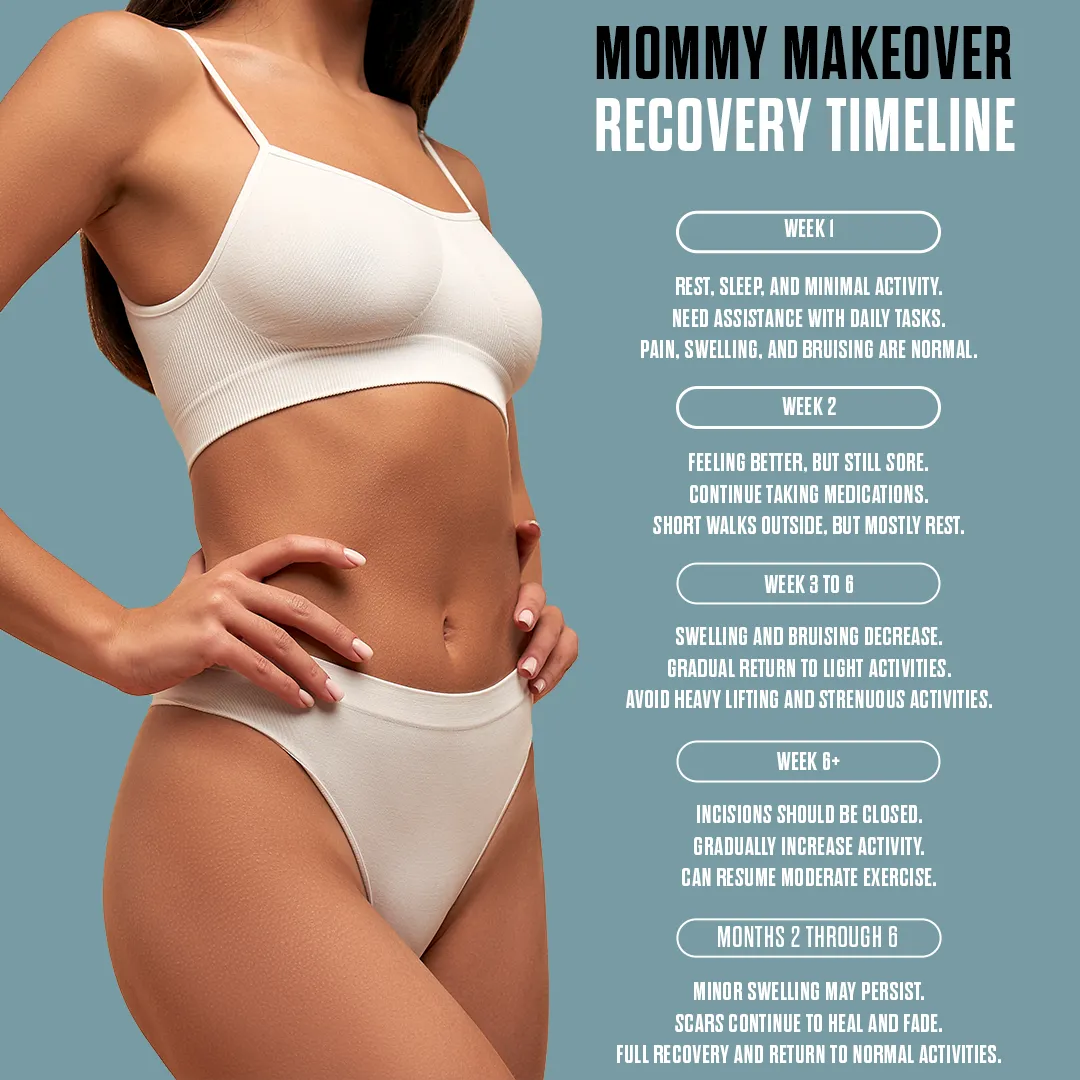
Week 1: Immediate Recovery
- What to expect: swelling, bruising, tightness, and limited mobility—especially if you had a tummy tuck
- Help at home: arrange childcare, rides, and meal support; no driving while on prescription pain meds
- Sleeping position: rest slightly reclined; avoid stomach sleeping to protect incisions and muscle repair
Week 2: Moving Around More
- Short walks become easier; many patients wean off stronger pain meds
- Still off work; no lifting over 10 lbs
- Continue wearing compression garments as instructed
Weeks 3–4: Feeling More Like Yourself
- Light daily activity returns; many desk-job patients go back to work around weeks 3–4
- Continue compression garments per instructions
- You may be cleared to resume driving once off pain meds and comfortable turning/braking
Weeks 5–6: Early Results Start to Show
- Swelling decreases; incisions maturing
- Light workouts (e.g., walking, gentle cycling) may resume with surgeon approval
- Many patients resume most routines excluding high-impact exercise
Weeks 7–12: Final Stages of Recovery
- Scars begin to fade; continue good scar care as directed
- Exercise restrictions lift gradually—focus on core strength per guidance
- Energy, wardrobe options, and body confidence keep improving
For a week after your procedure, expect:
- Significant swelling and bruising
- Tightness in the abdomen (if a tummy tuck was included)
- Fatigue and limited mobility
- Need for help with meals, childcare, and household tasks
Many patients report that their pain peaks on day 3. You will not be able to drive and must avoid lifting anything over 10 pounds— children included. Most patients sleep in a reclined position with their knees bent to reduce tension on the abdomen. During this first week, completely avoid sleeping on your stomach. You can take warm (not hot) showers, but baths are discouraged until 8 weeks post-op. Although activity is limited, patients are encouraged to get up and walk around to help with circulation and recovery.
During week 2, you can expect to:
- Still need help with childcare
- Need help with driving
- Remain off work
- Avoid lifting anything over 10 pounds
At this point, most patients can take short walks and begin weaning off stronger pain medication. However, rest is still important to aid in recovery and avoid any post-op complications.
Many patients can return to their desk jobs and begin participating in light activities again.
Continue to avoid lifting heavy things, such as older children, laundry baskets, or grocery bags.
**You may begin driving when you are fully off of narcotic medications.
Around weeks 5-6, many patients resume normal activities. Swelling is reduced, but some residual swelling is common.
Light workouts may resume with your surgeon’s approval, but continue to avoid high-impact activities.
If your job is computer-based or requires minimal physical effort, you may be able to return after 2-3 weeks. Even then, you’ll still need to follow your post-op guidelines. Continue to wear your compression garments and avoid lifting anything over 10 pounds.
Many patients find that working from home or resuming work part-time can help ease them into the first week back at work.
If your job involves substantial standing, lifting, bending, childcare, or physical exertion, you’ll need closer to 4-6 weeks off. Your core will be healing, and pushing your body too soon can impact your results or prolong recovery.
If it’s available and applicable, you may explore FMLA or short-term disability.

Set Up Your Home Before Surgery
Have everything you need within arm’s reach, including pillows, medications, snacks, and comfortable clothing, such as soft zip-up sweatshirts or button-up pajamas. Prep nutritious meals or stock your freezer for easy reheating.
Schedule Help
For the first few weeks, you will need full-time help with childcare, especially if you have an infant or toddler who needs to be picked up. You’ll also benefit from having help with chores such as laundry, cleaning, and grocery shopping. Finally, you’ll need someone to help drive you until you can safely resume driving.
Prioritize Gentle Movement
Short, slow walks around your home help:
Increase circulation
Reduce swelling
Lower the risk of blood clots
Support healing
It helps to walk in a hunched-over position for the first few days after your surgery to avoid putting tension on your incision site.
Hydrate and Nourish Your Body
Focus on protein-rich meals, fiber-rich foods, leafy greens, and plenty of fluids. Limit caffeine so your body can heal more efficiently.
Wear Compression Garments Exactly As Directed
Compression garments minimize swelling, support tissues, and help contour your results. Wear them as instructed, and avoid replacing them with shapewear that isn’t medical-grade.
Avoid Smoking and Alcohol
Nicotine restricts blood flow and greatly slows healing. Alcohol increases inflammation and swelling. Avoid both until your surgeon clears you.
Stay on Top of Medications
You may need to set alarms to remember to take your pain medication for the first few days. Try to stay on a schedule instead of waiting until you are in pain to take your medicine. Some patients experience constipation as well, so you may consider taking a stool softener for the first few weeks.
Don’t Rush Back Into Life
As a mom, we know you’ve got little ones demanding your attention and help. However, overexerting yourself will slow the healing process. Avoid heavy lifting or caring for young children without support. Giving your body rest now protects your long-term results.
Undergoing surgery and experiencing body image changes can have a monumental impact on your emotional well-being. Many patients experience moments of frustration, impatience, or the ‘post-surgery blues,’ especially during the first two weeks when mobility is limited.
Here are some things that can help:
- Mentally prepare yourself for ups and downs
- Celebrate each small improvement
- Lean on your support system– don’t be afraid to ask for help
- Remind yourself that swelling and bruising are temporary.
As your results begin to take shape, your confidence will soar and the emotional rollercoaster will level out.
When to Call the Doctor
Your care team wants to hear from you if something doesn’t feel right. Reach out if you experience:
- Fever or chills
- Increasing redness or warmth around your incisions
- Sudden, dramatic swelling
- Trouble breathing
- Severe pain
- Fluid leakage with an unusual color or odor
- Opening of incisions
Our team is here to support you every step of the way.
Real Patient Stories
After childbirth and a cesarean section, Jaime decided to invest in herself with the help of Dr. Neaman. Hear Jaime’s inspiring story and see how her transformation at Neaman Plastic Surgery & Medi Spa helped her feel her best again.
How painful is recovery from a Mommy Makeover?
Most patients describe the recovery as moderate discomfort, particularly from the tummy tuck portion of the procedure. Pain is most intense during the first few days, but it is well-managed with prescribed medications, rest, and compression garments. Discomfort significantly improves by the end of week one.
How long does it take to fully recover from a Mommy Makeover?
Full recovery varies by patient and the specific procedures performed, but most people feel like themselves again around 6–8 weeks post-op. Light activity can usually resume within 2–3 weeks, while more strenuous workouts and full results may take up to 3–6 months.
How much time should I take off work after a Mommy Makeover?
For desk jobs or roles with minimal physical activity, we typically recommend taking 2–3 weeks off. If your job involves lifting, standing, or physical exertion, you may need 4–6 weeks. Your surgeon will help determine the right timeline for your body and lifestyle.
Will I need help at home during my recovery?
Yes. For the first 7–10 days, you’ll need help with driving, household chores, lifting children, and general mobility. Having a support system in place for meals, childcare, and errands will make a big difference in your comfort and recovery.
What can I do to speed up recovery and improve my results?
Follow your post-op instructions carefully, wear compression garments as directed, stay hydrated, avoid smoking and alcohol, and get gentle movement like short walks to promote circulation. Most importantly, give your body time to heal—rushing the process can delay your results.
Conclusion & Next Steps
Knowing what to expect during your mommy makeover recovery time will help you prepare with confidence. Recovery is a journey, but we’ll walk through it with you, every step of the way. With expert care, proper planning, and support, you’ll see beautiful, long-lasting results.
Ready to create your personalized recovery plan?
Book your consultation today to receive your customized recovery roadmap.