English
 Español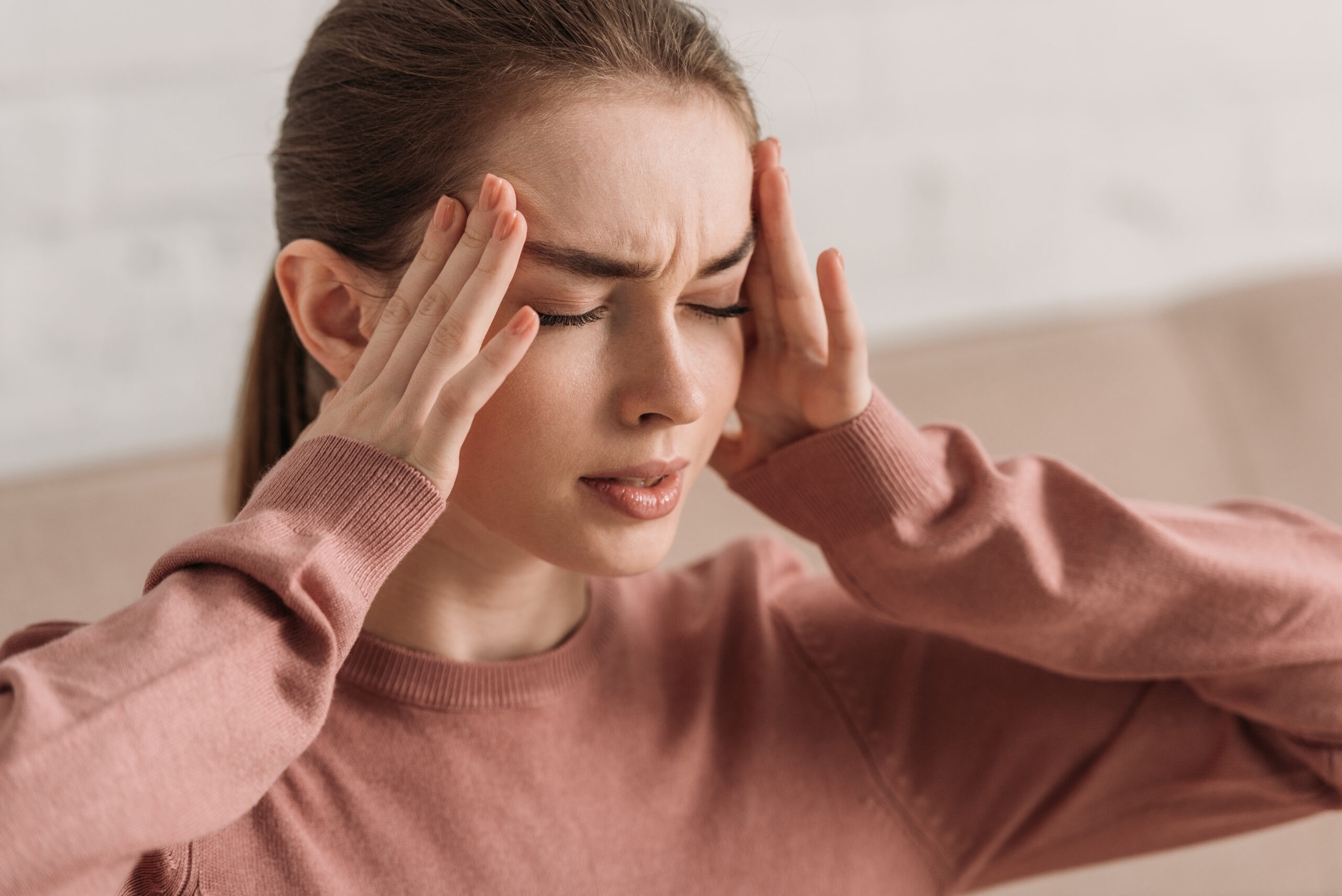
Posted on 27 Oct 2016
Updated May 26, 2026
Like many other migraine treatments, its development was purely accidental. The efficacy of BOTOX™ in treating migraines was originally discovered when patients, who had used it for cosmetic purposes, reported improvement in the migraine headaches. After studying the risks and benefits of Botox for migraines, the FDA approved it for that specific use in 2010. Millions of people have enjoyed relief from their migraine symptoms thanks to Botox– learn more about how it works and whether you’d be a good candidate for treatment.
How Botox Works Neurologically
For a muscle to contract, the nerve releases a chemical called acetylcholine. It’s a neurotransmitter that sends signals from one neuron to another. Acetylcholine attaches to cells in the muscle, which then causes it to contract. When Botox is injected, this attachment is blocked, and the contraction of the muscle is prohibited. This blocks the release of chemicals that trigger pain associated with migraines.
Who Is A Good Candidate For Botox For Migraines?
People diagnosed with chronic migraines experience 15 or more headache days per month, with at least 8 days every month that meet the criteria for migraines. Chronic migraines impact between 1.4-2.2% of the population across the globe– meaning that 1 or 2 out of every 100 people are navigating this crippling disease.
To know if you’re a good candidate for migraine Botox treatment, consider if chronic migraines impact your life in any of the following ways:
- you frequently miss family activities
- you often miss work or are unable to work altogether
- your quality of life feels low
- you have high levels of anxiety or depression
You must have tried at least 2-3 other preventative medication classes and have an official chronic migraine diagnosis to qualify.
Treatment Timeline
The PREEMPT (Phase 3 REsearch Evaluating Migraine Prophylaxis Therapy) protocol outlines a very specific timeline for how Botox should be administered to treat chronic migraines, stipulating that individuals should space injections 12 weeks apart. Here’s what you can expect before, during, and after treatment.
Before Treatment
You want to avoid massaging your head and shoulders after treatment, so it can help to wash your hair before you go in. Eat a nutritious meal and drink lots of water so you don’t feel lightheaded and your skin is hydrated.
During Treatment
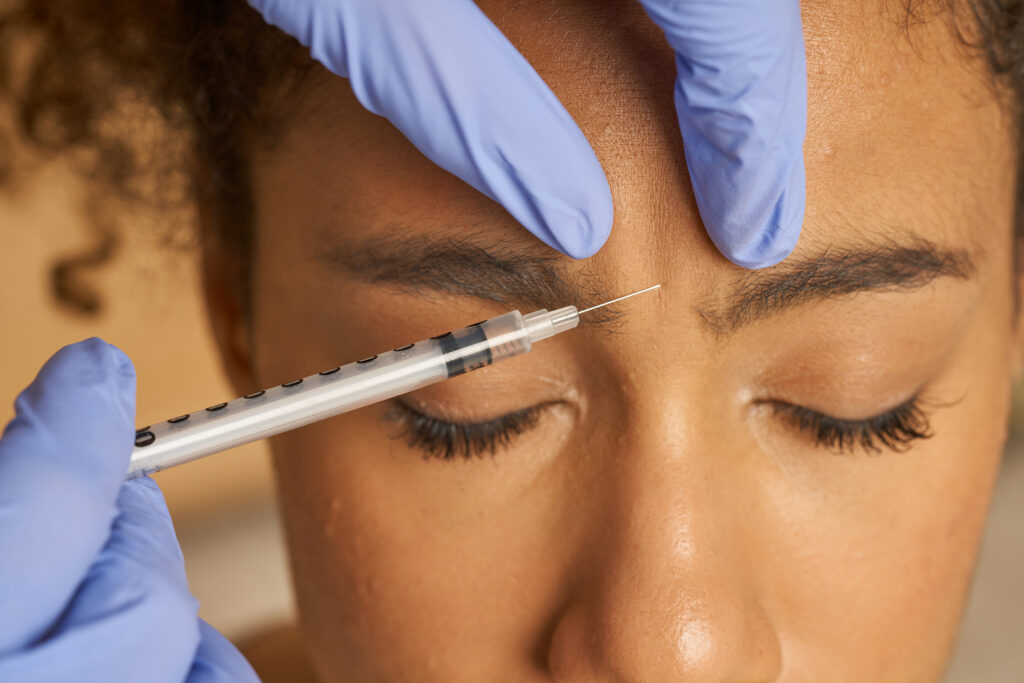
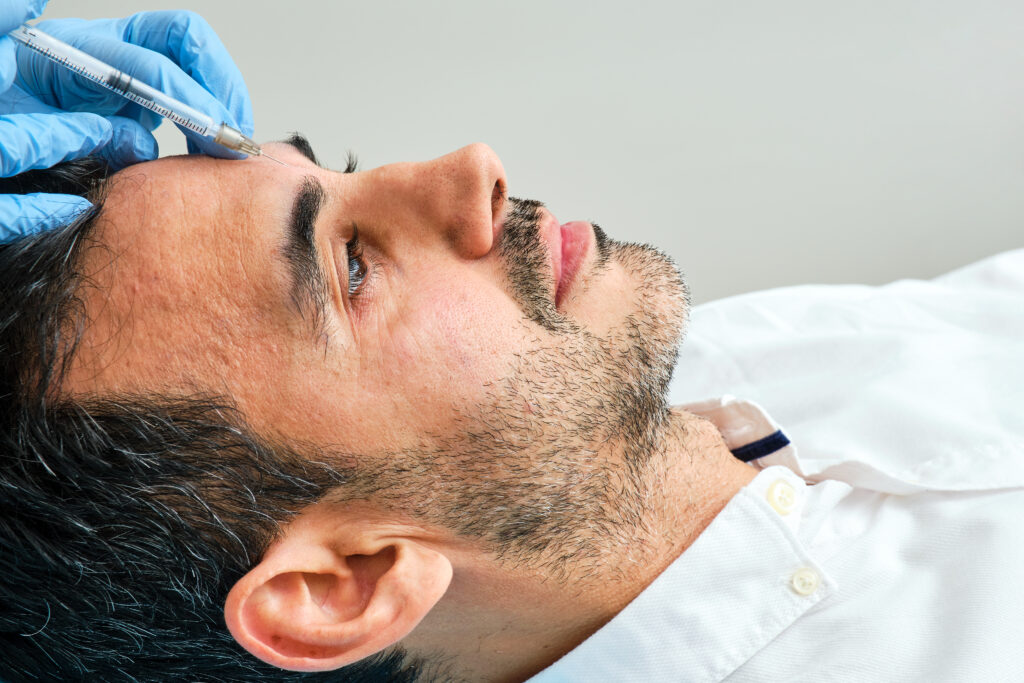
The standard Botox migraine dose is 155 units, which are delivered with 31 injections, but some people need up to 195 units. Injections are delivered around your head and upper body. Injection sites include the:
- forehead
- area between the eyebrows
- bridge of nose
- temples
- back of the head
- upper shoulders
- neck
Before you are injected, each area will be cleaned with alcohol. You may want to wear no or light makeup in the areas that will be targeted. Appointments usually last 15-30 minutes.
24 Hours After Treatment
To maximize the efficiency of your treatment, take it easy for about a day after your injections. For the first 24 hours, avoid:
- dying your hair
- exercise or activities that make you sweat
- massaging the area that was injected
Don’t lay down for the first 4-6 hours.
You can wash your face, but try to be gentle and avoid rubbing the skin, especially your forehead.
7-10 Days After Treatment
Most patients experience relief within 7-10 days of injection, although this may be less noticeable after your very first session.
12 Weeks After Treatment
The FDA protocol requires 12 weeks in between Botox treatments for migraines. If you go too long in between injections, your symptoms will return.
You’re not likely to see the full impact of treatment after the first session. For most people, it takes 2-3 treatment cycles for the Botox to really help address chronic migraine symptoms.
Free Botox Consultation at Neaman MediSpa
If migraine pain is disrupting your life, why not contact Neaman MediSpa for a free consultation to see if BOTOX™ is right for you? Let’s discuss the possibilities of saying goodbye to migraine pain forever. You can reach us at 503-364-5033.
Frequently Asked Questions
Why is Botox good for migraines?
Botox is a neurotoxin that blocks pain signals before they have a chance to reach your brain. The areas that are injected with Botox are connected to the nerves that send pain signals, so Botox travels along these nerves to prevent the release of chemicals that trigger your pain.
Which clinics offer Botox treatments for migraines near me?
You can receive migraine Botox treatment at local neurology clinics, pain management centers, and plastic surgery clinics. Neaman Plastic Surgery offers botox for migraines to people in Salem, Oregon, and the surrounding cities, including Portland and Eugene.
Where to inject Botox for migraines?
Migraine Botox treatment is injected in several spots throughout your face and upper body, including your temples and forehead, shoulders, and neck.

Dr. Keith Neaman
Dr. Neaman is a board-certified plastic surgeon that specializes in surgical body contouring. He prides himself on being on the cutting edge of plastic surgery. He takes an informative approach to each consultation, and through open dialogue and communication, he helps his patients decide on a treatment plan that meets their needs.