English
 Español
Posted on 23 Jun 2026
Most people know they should wear sunscreen. What’s harder to figure out is how to choose the right one. Some sunscreens feel greasy under your makeup, others irritate sensitive skin, and a lot of them don’t provide the level of UVA protection it takes to prevent premature aging. If you decide to invest in cosmetic treatments and professional skincare, it becomes even more important to pick the right sunscreen and protect your skin. Let’s talk about the differences in professional sunscreen vs. drugstore sunscreen so you can determine which one is right for your needs.
Medical-Grade Sunscreen vs. Store-Bought Sunscreen: What’s the Difference?
When you’re comparing medical-grade sunscreen with sunscreen from the grocery store, the first difference that jumps out at you is the price. Professional sunscreen is almost always sold at a higher cost. However, that’s because the sunscreen includes additional ingredients designed to support the health of your skin and prevent premature aging. Here are 4 benefits medical-grade sunscreen has to offer.
Active Ingredients
One of the main differences between medical-grade sunscreen and traditional drugstore sunscreen is the overall formulation. Both kinds are usually made to contain FDA-approved UV filters, but medical-grade formulas are usually designed with additional ingredients to support your skin’s health.
Professional sunscreens often contain antioxidants, hydrating ingredients, and calming compounds that help protect your skin from environmental damage. The formulas are usually designed to pair with other professional skincare products to really promote anti-aging and optimum skin maintenance.
Stability and Protection Quality
Not all sunscreens stay effective throughout the day. Medical-grade sunscreens are often created with more advanced delivery systems and stabilized ingredients that give you more consistent protection. This can be especially important for people who are trying to prevent pigmentation or protect their healing skin.
UVA and UVB Protection
We hear a lot about UV or even UVA rays, but most of us aren’t as familiar with UVB rays. UV stands for ultraviolet radiation, which is the type of energy produced by the sun that damages the skin over time. UVA and UVB are two different types of UV rays, and each affects your skin in different ways:
- UVB rays mostly impact the surface of the skin. They’re the main cause of sunburn and play a major role in developing skin cancer.
- UVA rays penetrate deeper into the skin, contributing to collagen breakdown, wrinkles, sagging, and hyperpigmentation. They can go through clouds and windows, making them hard to avoid.
Most people wear sunscreen to prevent sunburn, but protecting against visible aging requires more than just blocking UVB rays. A high-quality broad-spectrum sunscreen helps protect against both forms of UV damage. Medical-grade sunscreens almost always include stronger, more stable UVA protection, which helps your skin stay smoother and healthier-looking as you age.
Cosmetic Elegance
This is a fancy way of describing whether or not you enjoy wearing your sunscreen every day. A lot of store-bought sunscreens feel greasy or pill under your makeup, and when that’s the case, you may avoid wearing sunscreen even though you know you should.
Medical-grade formulas are designed for daily wear under your makeup– a lot like your moisturizer– so they offer lighter textures, smoother finishes, and ingredients that work with your makeup, not against it. When you feel good in your sunscreen, you’re more likely to use it consistently.

Why Sunscreen Matters More After Cosmetic Treatments
After cosmetic treatments like lasers, chemical peels, and microneedling, your skin is more sensitive and vulnerable to sun damage. Being exposed to UV rays during the healing process can slow down the healing and even affect your final results.
If you don’t use sunscreen every day, you’re more likely to experience issues like prolonged redness, irritation, uneven pigmentation, and dark spots. Sun exposure can also work against the improvements you’re hoping to get from your cosmetic treatments.For example, many procedures that offer anti-aging effects do so by stimulating collagen production. However, UV exposure breaks collagen down over time, contributing to wrinkles and premature aging.
In many cases, the best sunscreen after laser treatment or similar procedures is a gentle, broad-spectrum mineral sunscreen.
Why Many Patients Choose SkinMedica Sunscreen
A lot of patients switch to medical-grade sunscreen because it’s more practical for two reasons:
- It helps support their skincare goals.
- It wears better under their makeup.
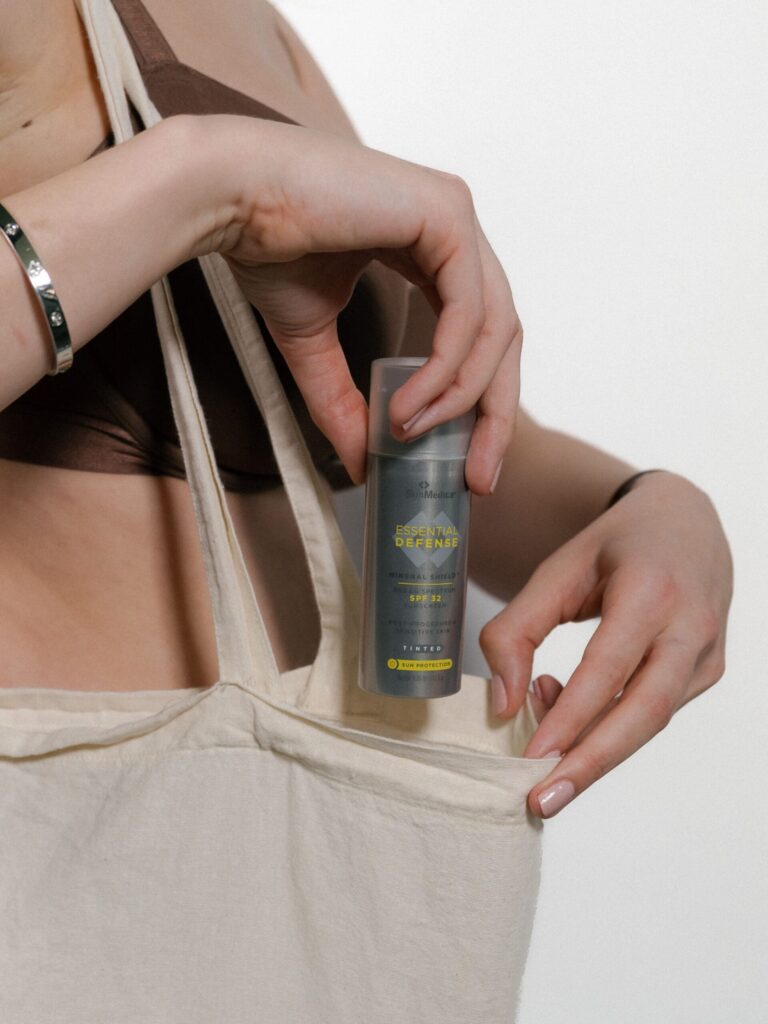
SkinMedica sunscreen is formulated with skincare in mind. Not only does it protect your skin from sun damage, but the formula includes ingredients that support overall skin health. The tinted options are especially popular among patients who need something that layers smoothly under their makeup without sliding off their face halfway through the day.
We recommend SkinMedica sunscreen to patients after cosmetic procedures because it better protects sensitive skin and supports the long-term goals they have for their facial appearance.
Is Medical-Grade Sunscreen Worth It?
At the end of the day, wearing sunscreen consistently is more important than choosing one that augments your skincare goals. A drugstore sunscreen you apply every morning is always better than a premium sunscreen you’re too afraid to use up. That said, a lot of our patients find that medical-grade sunscreen is worth the investment because of how it feels, wears, and supports their overall skin goals.