English
 Español
Posted on 02 Jul 2026
Melasma can be frustratingly unpredictable. One day, your skin looks more even, and the next day, darker patches seem to appear out of nowhere. Unlike a typical dark spot or acne mark, melasma tends to linger and can be hard to treat on your own. Thankfully, research has come a long way in helping us understand how to treat melasma. There are a number of ways to help manage the condition and improve the appearance of uneven pigmentation so you can feel more confident and like yourself.
What Is Melasma?
Melasma is a common skin condition that causes patches of brown, tan, or gray-brown discoloration. It usually shows up on your face, especially on the cheeks, forehead, upper lip, and chin, but it can show up on other areas that have been exposed to the sun. It’s a form of hyperpigmentation, which means your skin is producing excess pigment in certain areas.
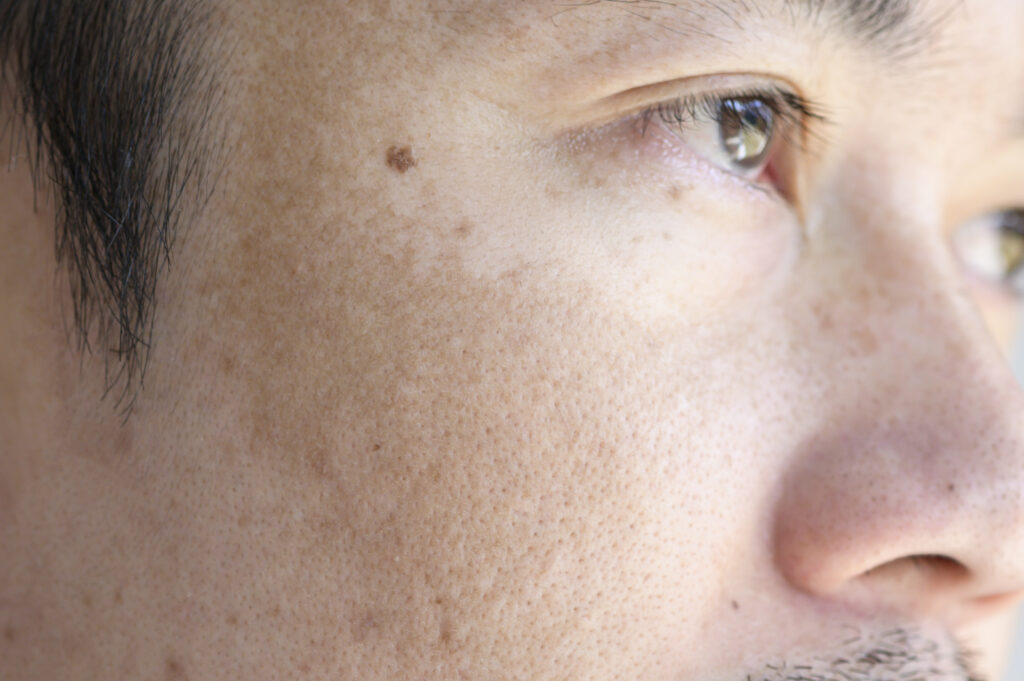
Melasma tends to appear in large patches, which develop gradually. Patches tend to darken during the summer when you’re in the sun more, then lighten during the winter. It’s most common in women, especially during pregnancy– between 15-50% of pregnant women develop the condition. Research shows that it’s linked to hormones, sun exposure, and genetics.
Why Is Melasma So Hard To Treat?
One of the biggest frustrations with melasma is that it can improve and then flare back up again. That’s because it’s usually triggered by multiple factors at the same time, so even if you get one under control, something else can cause your skin to start producing the extra pigmentation.
Melasma also tends to sit deeper in the skin than many other forms of discoloration, which makes it more stubborn to treat. If you try to correct it with overly aggressive treatments or harsh skincare, you can actually make it worse.
What Causes Melasma?
The two main causes of melasma are radiation (both light and heat) and hormones. Additional triggers include antiseizure medications, contraceptive pills, and skincare products.
Sun Exposure and Heat
Sun damage and melasma go hand in hand. You already know that UV rays stimulate pigment production, so it’s no surprise that being in the sun can make your existing melasma more noticeable and trigger new discoloration. It doesn’t take much– even being in the sun for a few minutes can cause unwelcome flare-ups.
Heat can also make melasma worse, even when it doesn’t involve direct sun exposure. Hot weather, exercise, saunas, and even the heat from cooking can trigger increased pigmentation.
Because of these factors, wearing your sunscreen every day is one of the most important steps to managing melasma.
Hormones and Internal Triggers
The other main contributor to melasma is your hormones. Scientists have found a connection between increased estrogen and melasma, which is why 90% of people with melasma are women. Genetics also plays a role in developing the condition– ⅓-½ of people with melasma have a family member with it.
Melasma Treatment Options That Can Help
Melasma can be stubborn, but there are still research-proven ways to treat it. The best treatment for melasma is to follow a consistent, personalized approach instead of relying on a single product or procedure. Most of our patients get the results they want from combining medical-grade skincare, professional treatments, and long-term sun protection habits.
Medical-Grade Skincare for Melasma
Medical-grade skincare products can help brighten discoloration, support healthy skin cell turnover, and reduce some of the inflammation that contributes to pigmentation issues. Hyperpigmentation treatment plans often include skin lightening medications that you apply topically, like:
- hydroquinone
- azelaic acid
- kojic acid
- cysteamine
Your doctor may also suggest retinoids, antioxidants, and gentle exfoliants. You won’t see instant results, so it’s important to stay consistent with the melasma skincare products you use.
Professional Treatments
For more stubborn pigmentation, you may need to combine professional treatments with your skincare routine and rigorous sun protection. Depending on the depth of the melasma, treatment options may include chemical peels, light-based treatments, or other customized approaches.
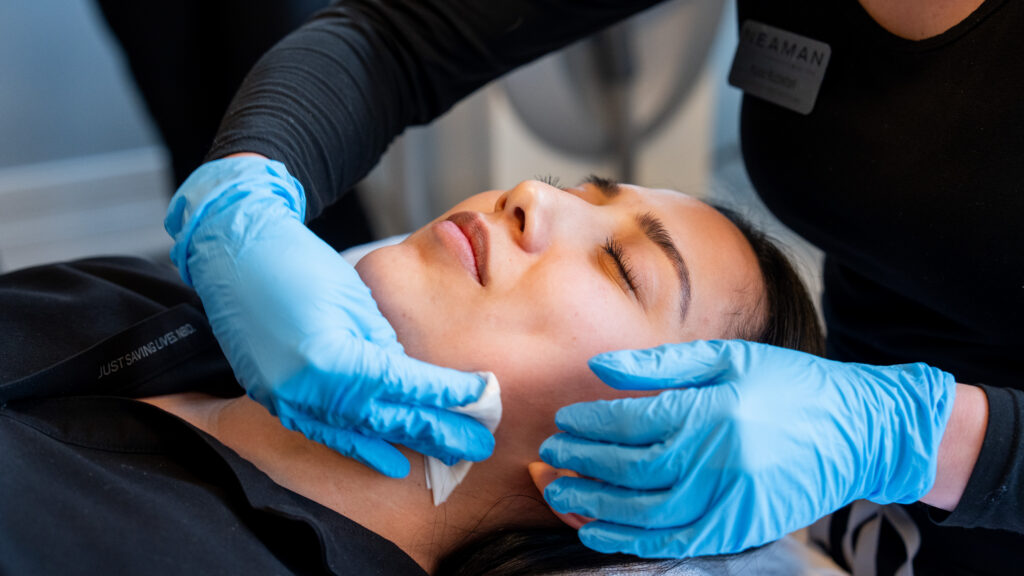
During a melasma consultation, your provider will help you carefully select treatments because overly aggressive procedures can sometimes trigger additional discoloration.
Aura Face Scanner
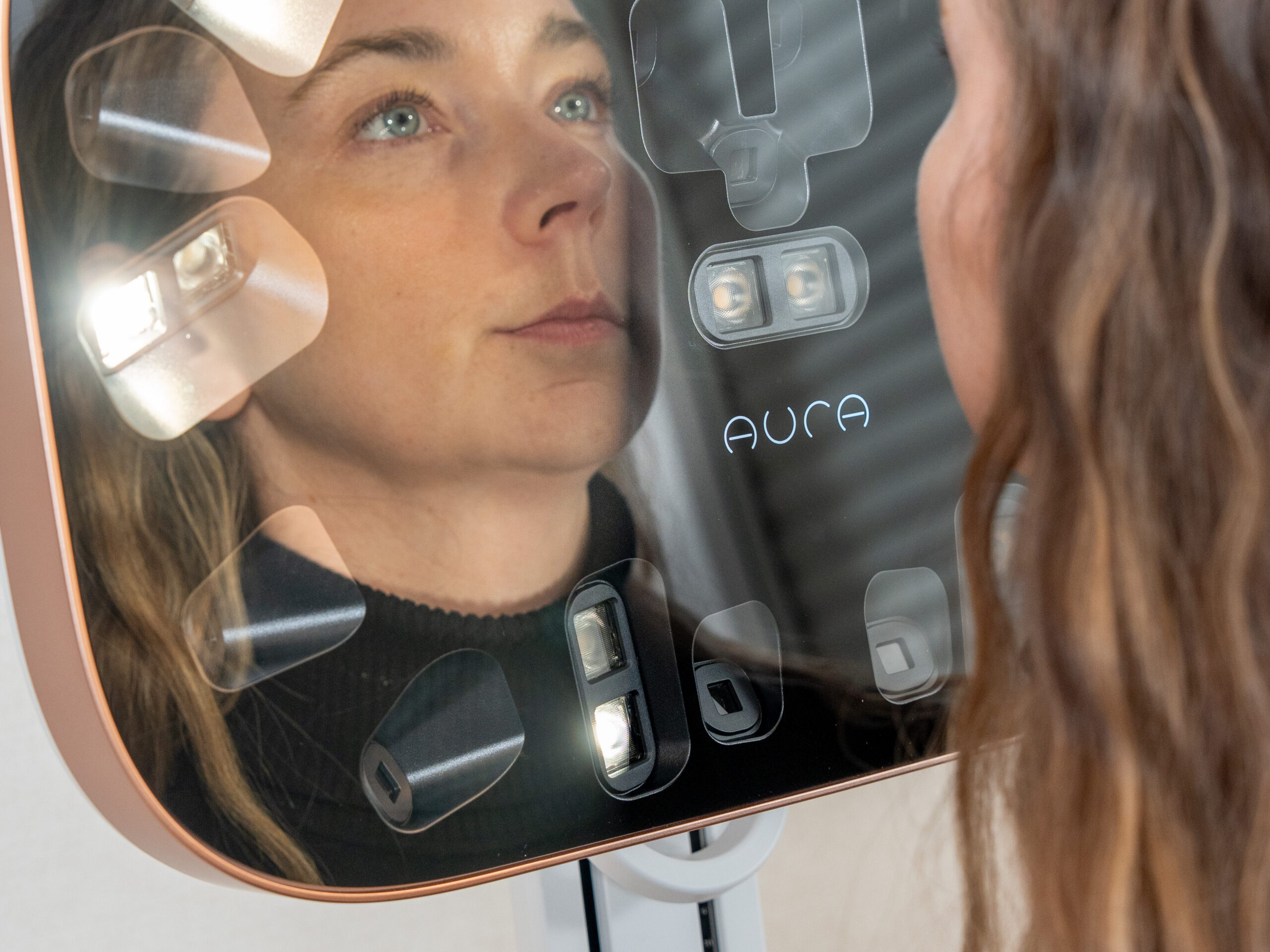
One of the challenges with melasma is that some pigmentation and sun damage can start developing under the surface, but not be visible to the human eye. At Neaman Medi Spa, we use an Aura Face Scanner to help evaluate the skin in greater detail and identify underlying pigmentation patterns that aren’t always obvious by looking at a person.
This technology allows us to better understand the depth and severity of your melasma so we can create a more personalized melasma treatment plan. It can also help us track your progress over time as we work to reduce your hyperpigmentation.
Let’s Plan Your Personalized Approach
Melasma can be tricky to manage, but you don’t have to figure it out on your own. Schedule a consultation with Neaman Medi Spa to help figure out what’s contributing to your hyperpigmentation and determine what combination of treatments may be most effective for your skin.