English
 Español
Posted on 11 Jan 2021
Updated July 13, 2026
A growing number of Americans are seeking out plastic surgery. In 2024, more than 1.5 million Americans had some kind of cosmetic surgery.
While most procedures help patients achieve the aesthetic results they were hoping for, there are some cases when the outcome isn’t what was desired. Although your outlook may be grim after an unwanted cosmetic surgery outcome, there are several things you can do.
Warning Signs That Something is Wrong
The healing process for many cosmetic surgeries takes months. Some of the most stunning results you’ve seen online didn’t look great days or weeks following their procedures.
During your initial healing process, you need to keep an eye out for excessive bleeding, infection, severe pain, and rapid swelling. These are signs that something isn’t going right with your recovery and should be addressed immediately.
Once your body is mostly healed, it’s easier to tell whether you’re going to end up with the results you expected. Here are some warning signs of botched plastic surgery:
- Persistent asymmetry after healing
- Obvious contour irregularities
- Unusually prominent scarring
- Chronic pain
- Poor wound healing
- Results that interfere with normal function (like trouble closing your eyes after eyelid surgery)
- If you notice any of these, it’s important to address them with your doctor.
Normal Healing vs. Warning Signs
| Common During Early Healing | Contact Your Surgeon Promptly |
| Mild to moderate swelling | Rapidly worsening swelling |
| Bruising | Excessive bleeding |
| Tightness or firmness | Severe or worsening pain |
| Temporary asymmetry | Signs of infection |
| Incisions that feel tender | Wound opening or poor healing |
| Results that change week to week | Functional problems, such as trouble closing the eyes |
START BY TOUCHING BASE WITH YOUR PHYSICIAN
If you’re concerned about your results, schedule a follow-up appointment with your surgeon before assuming something went wrong. A lot of the issues that look alarming during the first few weeks are a normal part of the healing process. In most cases, problems like swelling, bruising, firmness, and temporary asymmetry improve with time.
Your surgeon can look at your concerns and determine whether your recovery is progressing as it should and recommend treatments if a complication has developed. Once you’re more healed, they can discuss whether a revision surgery might be appropriate.
THOROUGHLY CHRONICLE YOUR CORRESPONDENCE
You should thoroughly document all of your communications with your surgeon and his practice. Failing to document your communications could prevent you from taking legal recourse against your surgeon. Scan all emails, letters, and other documents. Record phone calls and in-person meetings. If you’re still not satisfied after talking to your surgeon and allowing your wounds to heal fully, consider filing a complaint with your state’s medical board if you think your doctor’s direct treatment has something to do with your botched results.
When to Seek a Second Opinion
If you’re still worried after you talk to your surgeon, getting a second opinion can give you some clarity. It can be especially valuable if:
- You feel like your concerns were dismissed
- You don’t feel confident in your original surgeon
- You’ve been told nothing can be done, but you’re still experiencing issues
For your second opinion and potential revision surgery, choose a board-certified plastic surgeon. To become board-certified, surgeons must complete years of training, pass a rigorous written board exam and oral exam, and continue to meet high standards for patient safety.
Board certification doesn’t guarantee a perfect outcome, but it does provide reassurance that your surgeon has specialized training in aesthetic surgery and adheres to established standards of care. Before scheduling a consultation, verify that your surgeon is certified by the American Board of Plastic Surgery (ABPS).
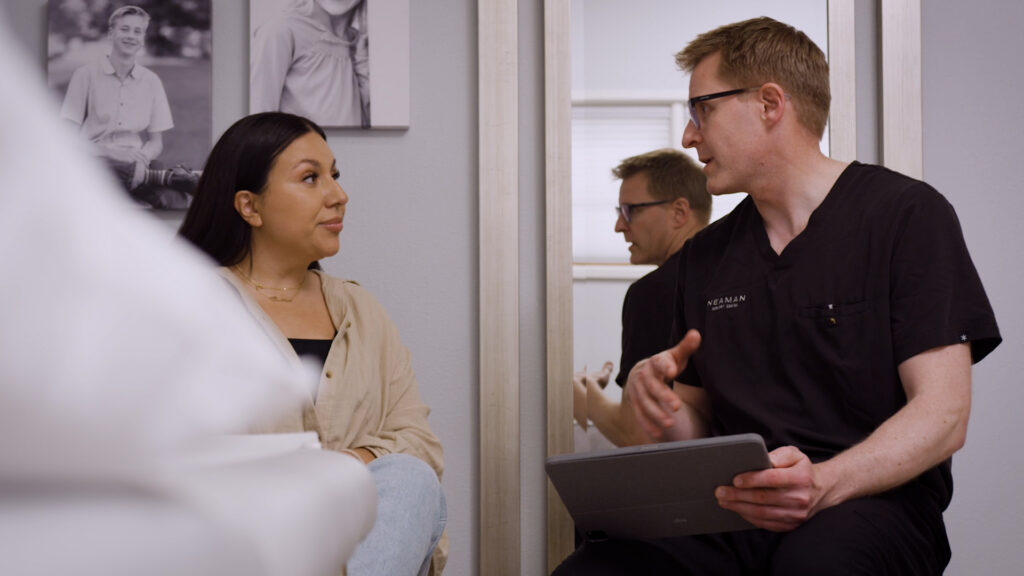
When to Wait vs. When to Seek Help
The Revision Surgery Process
| Situation | What to Do |
| You are only a few days or weeks post-op | Contact your surgeon and allow healing time unless symptoms are severe |
| You have sudden swelling, bleeding, fever, or severe pain | Contact your surgeon immediately or seek urgent medical care |
| You are months into healing and still see asymmetry or contour concerns | Schedule a follow-up or second opinion |
| You feel dismissed or unsure about your surgeon’s answer | Consider a second opinion from a board-certified plastic surgeon |
| Your results interfere with function | Seek evaluation promptly |
In many ways, plastic surgery revision, such as breast revision surgery, is not much different from an original plastic surgery. Here’s what you can expect.
Consultation and Evaluation
Your surgeon will discuss what concerns you about your results, review your medical history, and examine the surgical area. They may also review your operative notes or photos from your original procedure to better understand what was done.
Determining Whether You’re Ready for Revision
Unless there’s an issue with your recovery, you’ll probably need to wait until you’re fully healed before having revision plastic surgery. Swelling and scar tissue take months to settle, and you may find that your results improve while you wait.
Creating a Personalized Treatment Plan
If revision surgery is appropriate, your surgeon will explain your options and recommend a plan based on your anatomy, goals, and the condition of your tissues. Revision may involve improving symmetry, reshaping tissue, revising scars, repositioning implants, or correcting functional concerns.
Recovery and Final Results
Recovery depends on the complexity of your revision and the procedures involved. Your surgeon will give you a more detailed outline of what you can expect during healing. Revision surgery can significantly improve your results, but there’s no guarantee of perfection.
Questions to Ask a Revision Surgeon
| Question | Why It Matters |
| Are you board-certified by the American Board of Plastic Surgery? | Confirms specialized training standards |
| How often do you perform revision procedures like mine? | Revision requires different experience than primary surgery |
| What do you think caused my concern? | Helps determine whether revision is realistic |
| Am I fully healed enough for revision? | Timing affects safety and outcomes |
| What improvement is realistic? | Sets expectations |
| What are the risks of revision surgery? | Helps patients make an informed decision |
Emotionally Recovering from Botched Plastic Surgery
The weight of disappointment from botched plastic surgery can feel overwhelming. Most people invest a lot of time, money, and hope into having the procedure and reaching their aesthetic goals. It’s understandable to feel frustrated, angry, anxious, and regretful when your results don’t meet your expectations. These emotions can be especially intense during the first few weeks of recovery, when swelling and bruising keep you from seeing your final results at all.
As hard as it is, you have to have patience and give your body time to heal. During that time, stay in contact with your surgeon and avoid comparing your recovery to online before-and-after photos. It may help to connect with other people who have gone through something similar, just to keep yourself from feeling alone.
DISCUSS YOUR CONCERNS WITH OUR BOARD-CERTIFIED PLASTIC SURGEONS
A disappointing cosmetic outcome can feel overwhelming, but it doesn’t have to be the end of your journey. With patience, open communication, and the help of an experienced plastic surgeon, many patients are able to improve their results and regain confidence in their appearance.
Contact us at 503-364-5033 or use the online form to schedule your consultation and determine whether you’d be a good candidate for plastic surgery revision.
Frequently Asked Questions
Can botched surgery be fixed?
In many cases, botched plastic surgery can be fixed. Revision surgery can often improve cosmetic concerns, restore function, or correct complications from a previous procedure. However, not every outcome can be completely reversed. Your options will depend on what surgery you had and the condition of your tissues.
How long should I wait before revision surgery?
Most patients need to wait until they’re fully healed before considering revision plastic surgery. This is usually 6-12 months after your original procedure. You’ll need to wait for your swelling to resolve and your scars to mature. The exception is if you’re experiencing a complication, like a wound that’s not healing.
What causes poor surgical outcomes?
Poor surgical outcomes can stem from several factors, including complications during healing, infection, smoking, underlying medical conditions, or your body’s natural healing response. Sometimes, it comes from choosing a surgeon who doesn’t have enough experience. Even when surgery is done correctly, no doctor can guarantee perfect symmetry or identical results.
What are the signs of a botched cosmetic procedure?
During the healing process, signs of botched plastic surgery can include severe pain, swelling that quickly gets worse, excessive bleeding, or signs of an infection. If you notice these symptoms, you need to contact your surgeon immediately or get emergency medical help. Once you’ve started healing and can see your final results, signs can include significant asymmetry, noticeable contour irregularities, poor wound healing, unusually prominent scarring, chronic pain, or results that interfere with normal function.
What questions should I ask a potential revision surgeon?
If you’re considering corrective cosmetic surgery, ask your potential surgeon whether they have experience performing revision procedures similar to yours– not just performing the procedure itself. Also ask what they think caused the issue and whether they’d consider you a good candidate for a plastic surgery revision. Your surgeon should be honest about the possibilities and limitations of a corrective procedure.

Dr. Keith Neaman
Dr. Neaman is a board-certified plastic surgeon that specializes in surgical body contouring. He prides himself on being on the cutting edge of plastic surgery. He takes an informative approach to each consultation, and through open dialogue and communication, he helps his patients decide on a treatment plan that meets their needs.